There’s a deep craving we all share for savory flavors that truly satisfy. Why is it that so many of us struggle to raise our meals beyond mere sustenance? I’ve been there (trying) to recreate that restaurant-quality depth in my own kitchen, only to end up with dishes that just don’t hit the mark.
Many home cooks yearn for that indulgent “wow” factor but often find it hard to find. This guide is here to change that. I’ve spent years diving into global cuisine trends and mastering the art of flavor development.
I know what it takes to open up those rich, complex tastes.
Together, we’ll demystify the science and art behind maximizing umami cooking techniques. You’ll learn actionable takeaways that can transform your culinary approach.
Trust me, I’ve gathered a wealth of knowledge from exploring diverse kitchens and experimenting with ingredients. By the end of this article, you’ll have the tools to create dishes that are not just meals but experiences that leave a lasting impression.
The Umami Foundation: Decoding Savory at Its Core
Umami. It’s not just a fancy culinary buzzword. It’s the fifth basic taste.
And it’s what makes your mouth water when you bite into a slice of aged cheddar or slurp down a bowl of ramen. Unlike sweet or salty, umami is a deeper, richer sensation. It’s like the bass guitar in a rock band.
Often unnoticed, but important.
So, what gives umami its signature taste? It’s all about the chemicals. Glutamate, inosinate, and guanylate are the magic trio.
You’ll find these in places you probably already love: aged cheeses, ripe tomatoes, and mushrooms (dried ones, especially). Ever wondered why you can’t get enough of that soy sauce? It’s packed with umami.
Now, let’s talk about the combo effect. Combining these umami-packed ingredients can blow your taste buds away. Think about pairing mushrooms with Parmesan or adding a splash of fish sauce to a tomato sauce.
This isn’t random. It’s science. Cooking with umami isn’t just art; it’s technique.
Understanding umami cooking techniques is your first step towards culinary mastery. It’s more than knowing what works. It’s about knowing why.
And once you get it, there’s no turning back.
Browning Magic: The Secret to Deep Flavors
Ever wonder why a seared steak tastes so good? It’s all thanks to the Maillard reaction. This isn’t just chemistry nerd talk.
The Maillard reaction is a complex dance between amino acids and sugars when exposed to heat. It’s the backbone of umami cooking techniques, unlocking those roasty, nutty, and downright delicious flavors.
When you brown meat, roast a chicken, or even toast bread, you’re inviting a party of new flavor compounds. Hundreds of them! This reaction doesn’t just add color; it creates depth, making food taste richer and more intense.
How do you get the most out of it? First, dry ingredients are a must. Wet surfaces won’t brown.
High heat and not overcrowding your pan can make or break your dish. If you’ve ever wanted to perfect this, check out the Secret To Perfect Searing. It’s a game-changer.
Pro tip: After browning, don’t forget the fond (those brown bits left in the pan). Deglazing them with a splash of wine or broth creates a sauce that’s pure magic. That’s how you truly capture that savory punch.
Slow & Low: Unlocking Subtlety and Richness
Ever wondered why some dishes taste like they’ve been kissed by the culinary gods? It’s all about cooking them slow and low. Techniques like braising, stewing, confit, and slow roasting are not just methods.
They’re rituals. They transform tough meats into gelatinous treasures. Think about it.
Collagen breaks down into gelatin, giving you that luscious mouthfeel.
Now, let’s talk flavors. These methods let ingredients sit in their own juices, marrying flavors over hours. It’s like a long, romantic dance between your ingredients.
The result? Liquids and aromatics concentrate into something rich and cohesive. Imagine a Beef Bourguignon or a Coq au Vin.
They’re not just meals; they’re experiences.
Patience is key here. It’s not just about cooking; it’s about letting time do the heavy lifting. You can’t rush a good confit duck.
Or pulled pork that melts in your mouth. And it’s worth it, every minute.
For those who crave a deeper dive into umami cooking techniques, these methods are your gateway. Trust me, the patience pays off. Your taste buds will thank you.
Fermentation & Curing: Flavor Alchemy for the Modern Palate
Fermentation is magic. It’s like a culinary time machine, taking simple ingredients and turning them into flavor bombs. Microbes get to work creating new compounds and enhancing those savory notes we love.
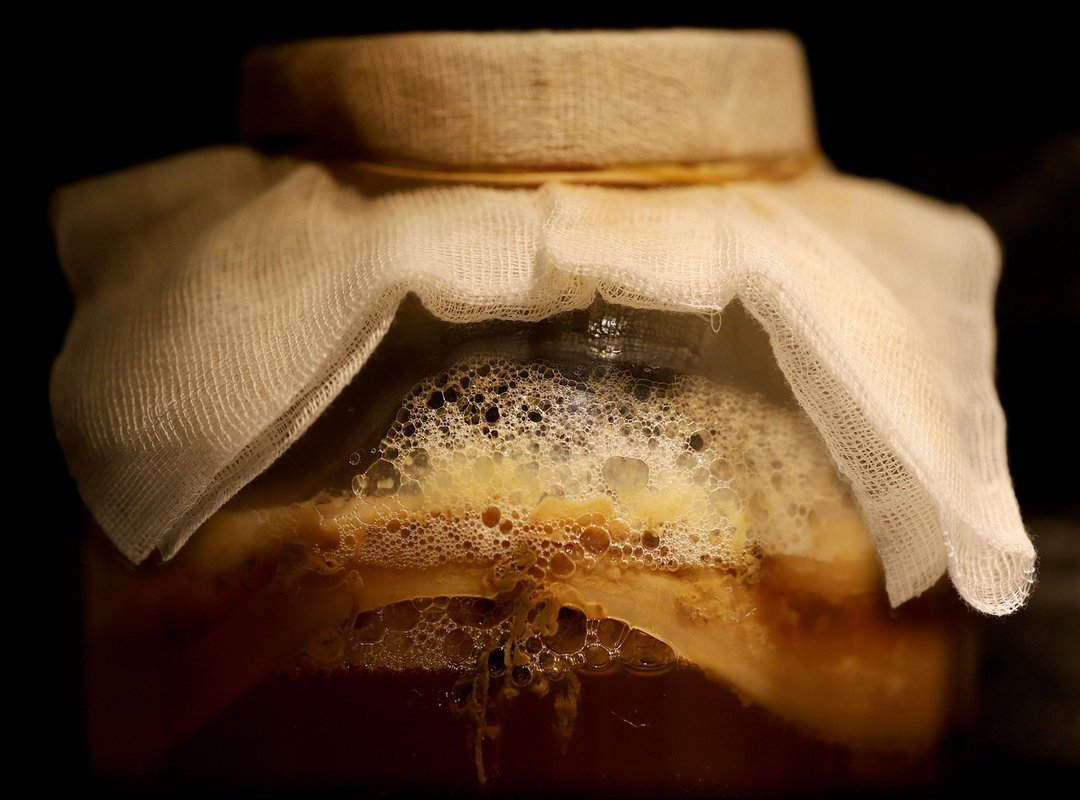
You ever wonder why soy sauce and miso are so addictive? That’s fermentation doing its thing. And let’s not forget about the umami boost.
It’s all about those free glutamates, the secret to deep, savory flavors.
Now, think about your favorite fermented goodies: soy sauce, miso, fish sauce, kimchi, sourdough, and aged cheeses. Each has a unique profile, transforming ordinary meals into something extraordinary. Speaking of transformation, ever try spices transform ordinary meals?
They act like flavor wizards, just like fermentation.
Curing is the unsung hero here. Dry curing and brining are old-school techniques, developing complex flavors and textures. Prosciutto, bacon, and pastrami are born this way, and boy, do they pack a punch.
Olives too. And these aren’t just for snacking. Throw them into dishes as flavor boosters.
Pair them with fermented sauces, and you’ve got a one-two punch of savory depth. It’s time we embrace these ancient arts. They redefine what food can be.
Layering & Finishing: Umami Cooking Techniques
Flavor layering isn’t just a fancy term. It’s a game-changer. Think of it as building a skyscraper of taste, where each ingredient is a floor.
Start with a foundation like mirepoix or soffritto. These aromatic bases are the unsung heroes of savory depth. Ever wondered why some dishes taste flat?
It’s probably missing this step.
Then there’s acid. A splash of vinegar or citrus juice can transform richness into a balanced symphony, preventing your dish from turning into a cloying mess. Fats like butter and olive oil aren’t just about richness.
They carry flavors and create that indulgent mouthfeel we all crave.
Now, let’s talk finishing touches. Fresh herbs and spices aren’t only for the start. They’re key for adding vibrancy and complexity at the end.
Imagine deglazing a pan for a sauce that sings, or infusing oils for a burst of flavor. And don’t forget garnishes. Crispy shallots or microgreens can be the final touch that elevates a dish from good to unforgettable.
Cooking isn’t just about following a recipe; it’s about mastering these layers.
Raise Your Savory Game
I’ve given you the tools to tackle your challenge. You wanted to master savory depth in your cooking, and now you can. No more bland meals.
By embracing umami cooking techniques, understanding browning, and exploring fermentation, you’re on your way to creating deep flavors. These methods work because they build layers of taste.
Now, it’s time to get cooking. Experiment with the techniques I’ve shared. Transform your everyday meals into something extraordinary.
Don’t just settle for average. Dive into new ingredients and techniques.
Your culinary adventure is just beginning. Are you ready to impress your taste buds? Start today.
Your kitchen is your canvas. Let’s make it delicious.
 Creative Kitchen Specialist & Content Curator
Xlythara Gleam brings creativity and accessibility to Yumkugu through engaging cooking hacks, ingredient spotlights, and visually driven culinary content. She focuses on simplifying complex techniques into intuitive methods that inspire everyday cooking without losing originality. Her work highlights the hidden potential of ingredients while making recipes more efficient and enjoyable to create. Collaborating across teams, she helps translate innovation into content that connects with a wider audience. She plays a key role in shaping Yumkugu’s voice, combining storytelling with practical kitchen value. Her approach turns food into both an experience and a creative outlet, encouraging exploration in every dish.
Creative Kitchen Specialist & Content Curator
Xlythara Gleam brings creativity and accessibility to Yumkugu through engaging cooking hacks, ingredient spotlights, and visually driven culinary content. She focuses on simplifying complex techniques into intuitive methods that inspire everyday cooking without losing originality. Her work highlights the hidden potential of ingredients while making recipes more efficient and enjoyable to create. Collaborating across teams, she helps translate innovation into content that connects with a wider audience. She plays a key role in shaping Yumkugu’s voice, combining storytelling with practical kitchen value. Her approach turns food into both an experience and a creative outlet, encouraging exploration in every dish.