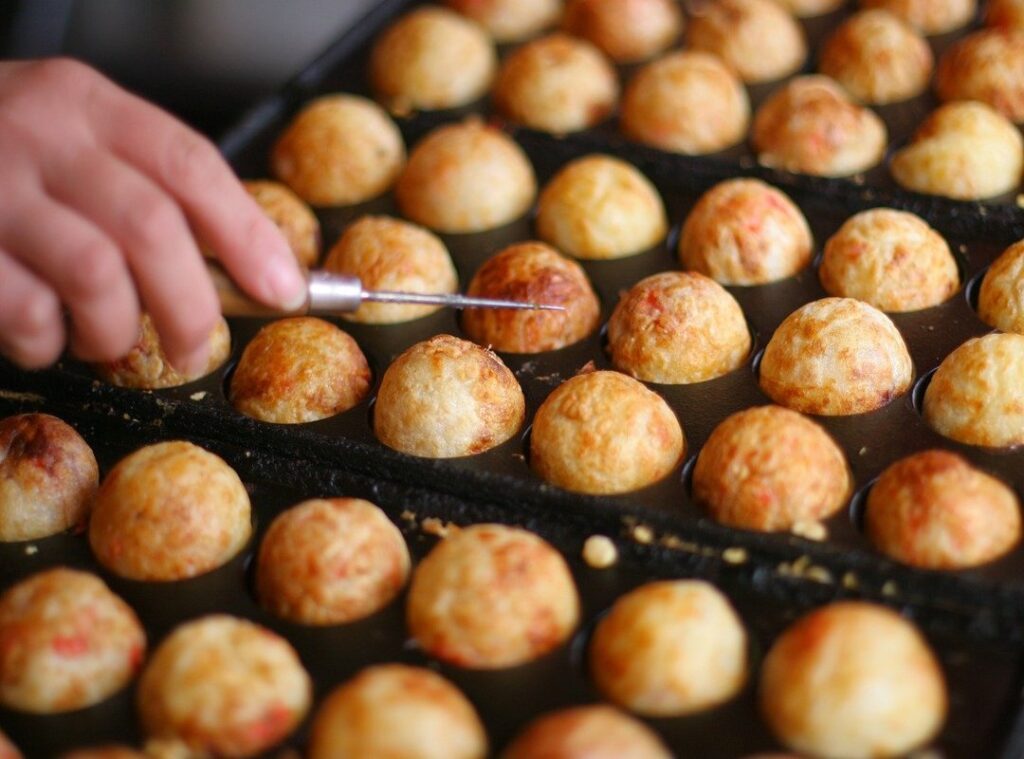
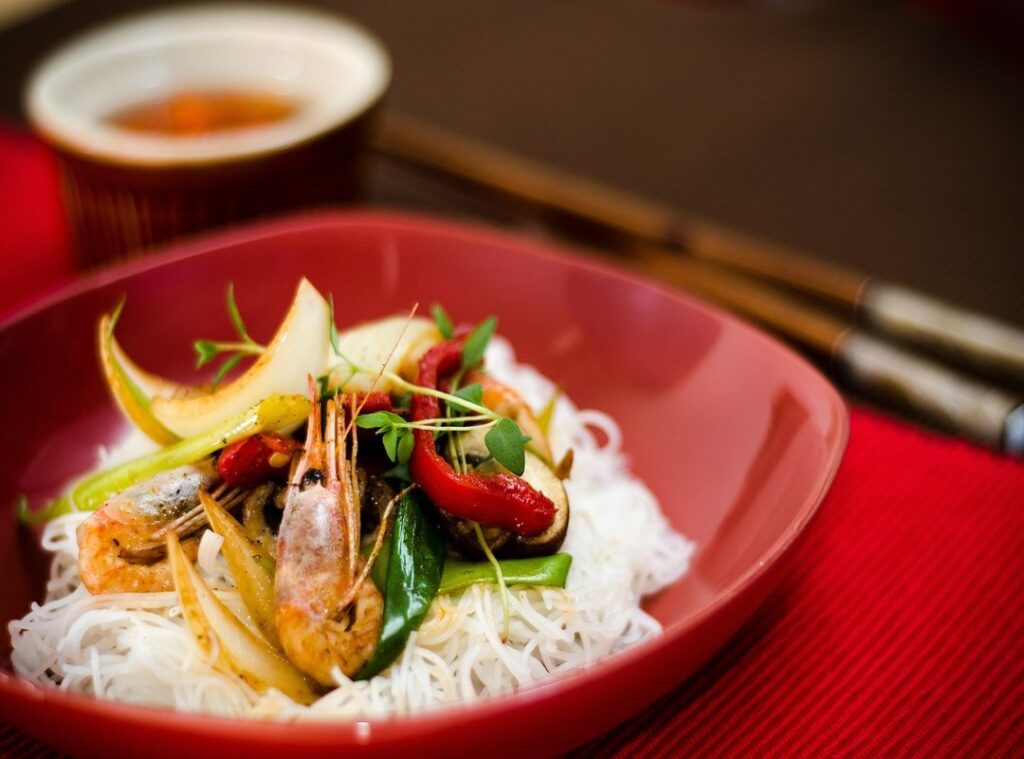
Asian cuisine has a unique allure. It’s diverse and captivating, drawing in food lovers from all corners of the globe.
In this article, I’m diving into the current Asian food trends that are reshaping the culinary space. You might wonder what’s new in Asian kitchens or how traditional practices are evolving.
I’ll explore new techniques and ingredients that chefs are playing with today.
This isn’t just a surface-level look; I bring takeaways backed by expertise in global cuisine trends. I want to educate you about what’s happening right now in the world of Asian food.
Whether you’re a seasoned chef or just someone who enjoys eating, understanding these trends can boost your culinary experience.
Get ready to discover the flavors and techniques that are shaping modern Asian cuisine. Prepare to dive deep into the exciting changes in this lively culinary world.
The Plant-Based Revolution: Asian Dishes Go Green
Have you noticed the surge in plant-based Asian dishes lately? It’s everywhere, and for good reason. The demand for vegetarian and vegan options is off the charts.
People are waking up to the flavors and health benefits these dishes pack. Take tofu, for example. It’s been a staple in Asian cuisine forever, but now it’s getting a lot more attention.
And it’s not just tofu. Tempeh and jackfruit are making waves too.
Why the sudden shift? Well, it’s partly the sustainability aspect. More folks are seeing the environmental benefits of eating plant-based.
It’s not just about saving the planet, though (as if that wasn’t enough). There’s a health angle too. Plant-based diets can lower cholesterol and improve heart health.
Who wouldn’t want that?
Now, traditional dishes are getting a makeover. Think of your classic Pad Thai or Kung Pao. They’re being reimagined with these new ingredients.
It’s not just a trend; it’s a full-blown movement. Asian food trends are evolving, and we’re seeing this in restaurants and home kitchens alike.
Let’s talk about taste. Some skeptics think plant-based means bland, but that’s nonsense. When done right, these dishes pack as much punch as any meat-based version.
Maybe even more. Pro tip: try swapping jackfruit for pulled pork in your next bao bun. You’ll be surprised how good it is.
So, what’s next for plant-based Asian cuisine? Who knows? But it’s exciting to see where this trend will take us next.
Are you ready to dive in and explore?
Fusion Flavors: Blending Tradition with Innovation
Fusion cuisine is where the magic happens. Take traditional Asian dishes and mix them with unexpected partners. Ever tried a sushi burrito?
It’s exactly what it sounds like. A burrito filled with sushi ingredients, and it’s as wild as it is delicious.
Asian food trends are all about breaking boundaries. Kimchi tacos and ramen burgers are just the start. These dishes aren’t just about flavor; they’re cultural exchanges on a plate.
It’s like tasting a conversation between chefs from different parts of the world. Who knew a taco could carry the spicy punch of Korean kimchi?
Taste the Creativity
Creativity is the driving force here. Cooks are blending techniques and ingredients in ways that seem almost rebellious. But isn’t that what cooking should be about?
Taking risks, experimenting, and sometimes failing (but with style).
Want to try fusion at home? Start small. Mix soy sauce with your favorite BBQ marinade for a tangy, sweet glaze.
Or throw some wasabi into your mashed potatoes for a kick. Remember, fusion isn’t just for the pros. It’s for anyone willing to play with their food.
And here’s a pro tip: balance is key. When mixing flavors from different cuisines, make sure one doesn’t overpower the other. It’s like a good conversation (everyone) gets a turn to speak.
If you’re into food trends, the veganism rise middle eastern is another fascinating shift. Cultures are blending, and palates are expanding. So why not grab your chopsticks and dive into the fusion frenzy?
You might just find your new favorite dish.
Tech Meets Tradition: Asian Culinary Revolution
I’ve seen technology transform many things, but watching it reshape Asian cooking is something else. Remember when cooking meant just a stove and some pots? Now, we’ve got smart kitchen gadgets doing half the work.
Appliances that cook rice to perfection every time, or fridges that suggest recipes based on ingredients inside. It’s like having a sous-chef you don’t have to pay.
And let’s talk about the explosion of online cooking classes. Want to learn sushi from a master in Tokyo? No problem.
Just hop online and there you are, knife in hand, learning the art of sushi rolling without leaving your kitchen.
Social media is the wild card here. It’s turning home cooks into overnight sensations. New recipes spread faster than you can say “kimchi.” This is how asian food trends are making waves globally.
Then there’s the futuristic stuff: robotic chefs and virtual reality dining. Imagine a robot cooking your stir-fry while you wear VR goggles, dining in a digital Tokyo. Sounds crazy, right?
Yet, here we are. Technology is not just a part of the equation, it’s redefining it. Asian cuisine is turning heads, and tech is leading the charge.
Taste the World: Local Flavors, Global Buzz
Ever tried gochujang? It’s a Korean chili paste that’s spicy and sweet, and it’s making waves in the culinary world. Why?
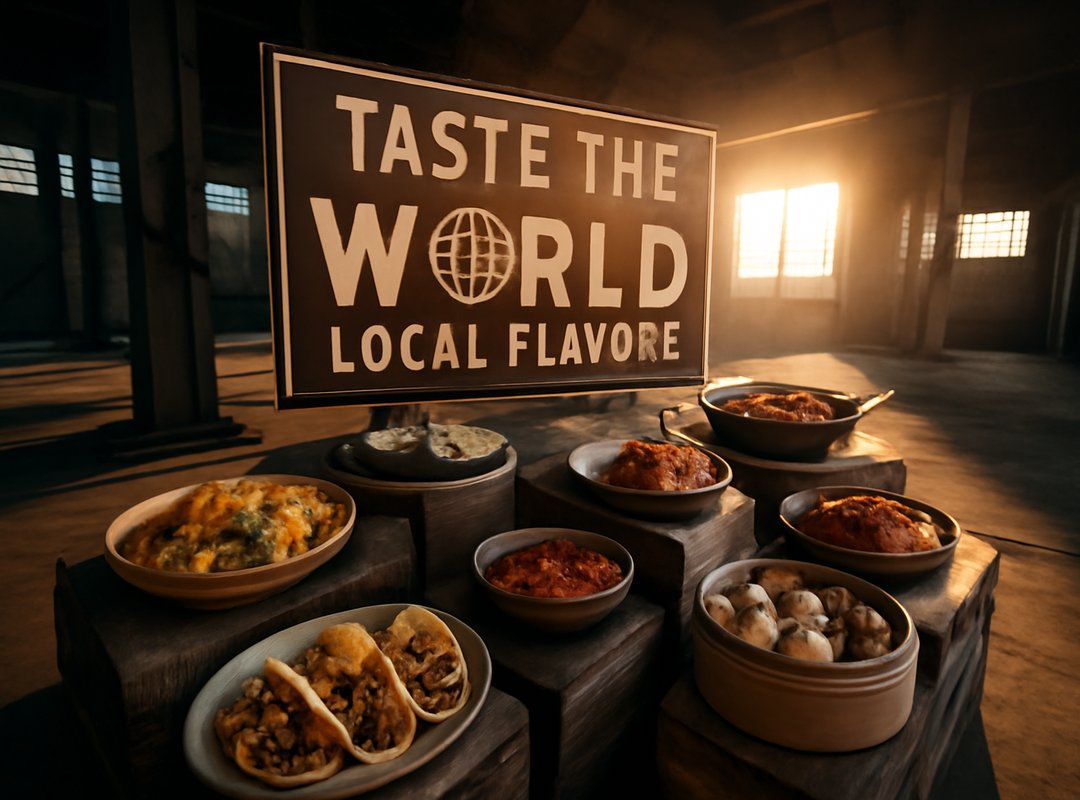
Because it elevates dishes with a depth of flavor that’s hard to beat. I’ll admit, I was skeptical at first. But once you add it to a stir-fry or even a sandwich, you see why it’s taking over menus everywhere.
Then there’s yuzu from Japan. If you haven’t tasted its citrusy zing, you’re missing out. It’s like lemon and lime had a sophisticated love child.
Chefs are using it in everything from cocktails to desserts. I tossed it in a salad dressing once, and it was a game-changer.
And let’s not forget pandan from Southeast Asia. This green leaf is the secret behind that sweet, nutty flavor in many Asian desserts. The aroma alone takes you places (trust me, it’s like a tropical escape in a leaf).
These ingredients aren’t just trends. They’re a how Asian food trends are reshaping kitchens globally. Curious about what’s next?
Me too. But for now, I’m diving into a yuzu-infused cocktail. Cheers to the flavors that connect us all!
Asian Street Food: A Taste of Tomorrow
Asian street food is more than just a meal; it’s a cultural experience. People everywhere are obsessed with the flavors, and I get it. Who wouldn’t want some spicy, sizzling goodness served up fast and fresh?
But it’s not just about tradition anymore. We’re seeing these dishes evolve to meet modern tastes. This isn’t your grandmother’s street food (though hers was probably amazing).
You’ll find bubble tea reinvented with wild flavors or gourmet stalls pushing boundaries. This isn’t just a trend. It’s an Asian food trend that’s becoming a permanent fixture.
Look around cities worldwide. Those tiny stalls? They’re hubs of creativity, blending the old with the new.
It’s like watching a food revolution right on the street corner.
Street food plays a key role in preserving culinary traditions while adapting to new tastes. It’s a delicate balance. Think about it.
How does one keep the essence of tradition while appealing to the Instagram generation? It’s happening right before our eyes.
Pro tip: Keep an eye on these stalls if you want to see where the future of food is headed. They’re the real trendsetters. You can bet I’ll be first in line.
Dive into Asian Flavors
I walked you through the exciting world of Asian food trends. You see how innovation is sparking new flavors and experiences. This isn’t just about eating; it’s about exploring your kitchen.
Why not take a leap? Experiment with these trends and bring a fresh twist to your meals. You might just discover a new favorite dish.
Don’t sit on the sidelines. Join the movement. Get inspired by what you just learned and start cooking.
Your taste buds will thank you. Let’s make your kitchen the go-to spot for flavor. Start your culinary adventure today!
 Creative Kitchen Specialist & Content Curator
Xlythara Gleam brings creativity and accessibility to Yumkugu through engaging cooking hacks, ingredient spotlights, and visually driven culinary content. She focuses on simplifying complex techniques into intuitive methods that inspire everyday cooking without losing originality. Her work highlights the hidden potential of ingredients while making recipes more efficient and enjoyable to create. Collaborating across teams, she helps translate innovation into content that connects with a wider audience. She plays a key role in shaping Yumkugu’s voice, combining storytelling with practical kitchen value. Her approach turns food into both an experience and a creative outlet, encouraging exploration in every dish.
Creative Kitchen Specialist & Content Curator
Xlythara Gleam brings creativity and accessibility to Yumkugu through engaging cooking hacks, ingredient spotlights, and visually driven culinary content. She focuses on simplifying complex techniques into intuitive methods that inspire everyday cooking without losing originality. Her work highlights the hidden potential of ingredients while making recipes more efficient and enjoyable to create. Collaborating across teams, she helps translate innovation into content that connects with a wider audience. She plays a key role in shaping Yumkugu’s voice, combining storytelling with practical kitchen value. Her approach turns food into both an experience and a creative outlet, encouraging exploration in every dish.