Fresh herbs can turn an ordinary meal into something extraordinary. Yet many home cooks stick to a handful of familiar herbs, feeling unsure about exploring what else is out there. Do you find yourself in this position?
I get it. I’ve been there too.
With countless hours spent experimenting with diverse botanicals, I’ve discovered the magic of flavors waiting to be unlocked. My passion for global culinary trends has fueled this journey. I know the power of fresh herbs and the impact they can make.
This article is your guide to new herbs exploration. It will help you to identify, use, and master an impressive variety of flavors. I’ll share takeaways from my own experiences and practical applications.
By the end, you’ll feel more confident in your kitchen. You won’t just raise your dishes; you’ll also expand your culinary repertoire. Let’s dive into the aromatic world of herbs together.
You’ll learn how to transform your cooking and open up a world of flavor.
Cultivating Flavor: Mastering Fresh Herb Selection
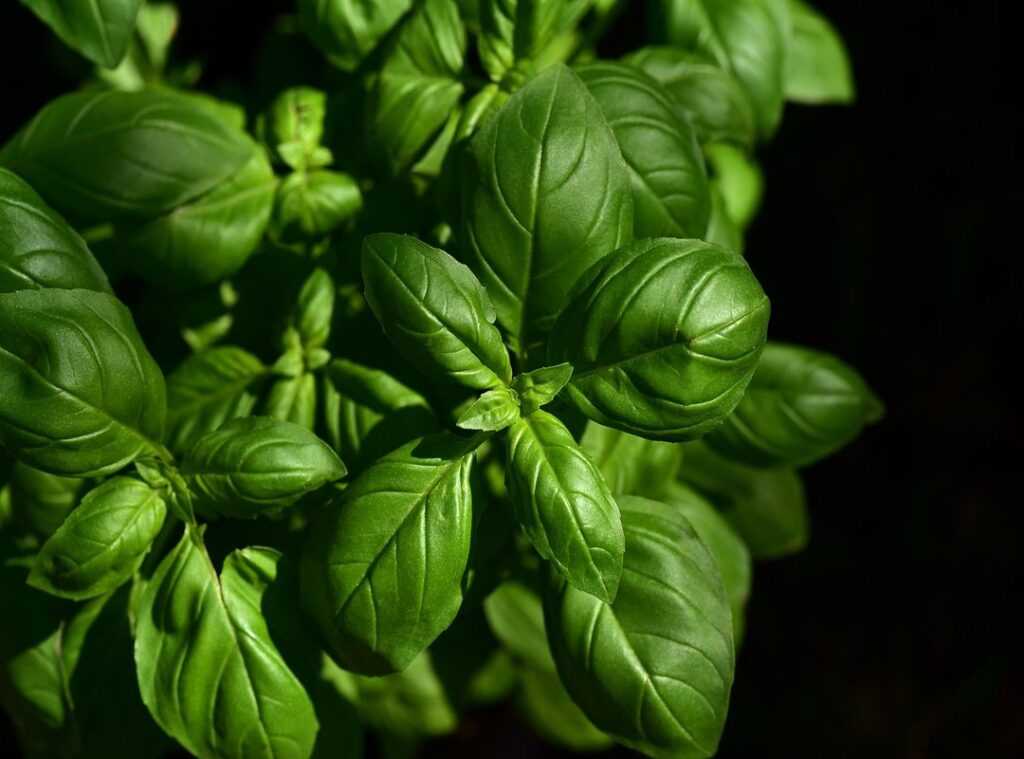
Ever plucked a limp basil leaf from the fridge and wondered where you went wrong? Let’s talk about selecting the freshest herbs. Look for lively, unblemished leaves and firm stems.
The aroma should be potent, clean, not something you have to search for. You want cilantro that smells like cilantro, not a faint memory of it.
Visual and tactile cues are key. No sliminess. No yellowing.
Avoid anything with excessive moisture (it’s almost a death sentence for freshness). Farmer’s markets are your best bet for quality. Those discerning vendors know their stuff.
But even at the grocery store, you can find gems if you dig a little.
Preserving herbs is an art. The “herb bouquet” method is indulgent but effective: keep them in a jar of water like you would flowers. You wouldn’t leave a rose to dry out, would you?
Wrap them in a damp paper towel for the fridge if you’re feeling practical. For long-term use, blanch and freeze. Meticulous selection and storage maintain the herb’s potency and flavor.
New herbs exploration can be exciting when you know how to maintain their delicate profile. Trust me, your taste buds will thank you.
Aromatic Adventures: Fresh Herb Delights
to the world of new herbs exploration. Ever tried tarragon? It’s got this subtle licorice vibe that dances on your tongue.
Works wonders with poultry and creamy sauces. It’s like magic in a pot.
Then there’s chervil. Delicate yet distinct, it whispers a mild anise flavor, perfect for egg dishes that need a touch of sophistication. Imagine a fluffy omelet lifted by its gentle aroma.
You can almost taste it before the first bite.
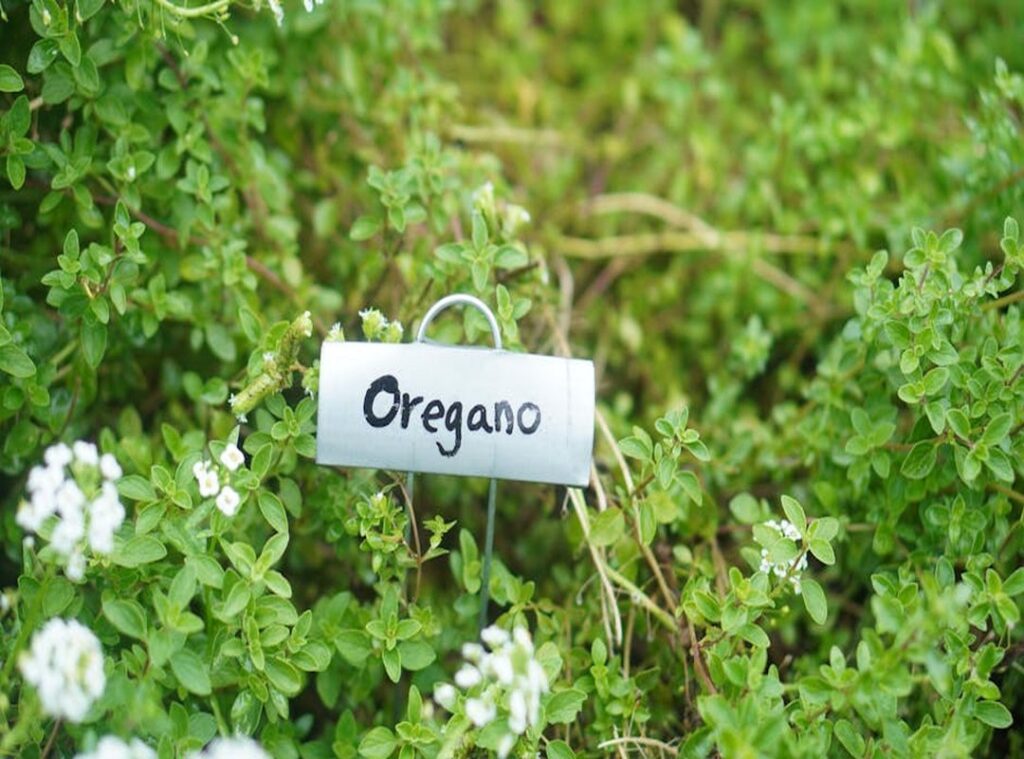
Marjoram, though often overshadowed by oregano, brings a sweet, piney note that transforms roasted vegetables. Toss it with carrots or potatoes, and you’ve got a dish bursting with warmth and depth. The scent alone is enough to make your mouth water.
And don’t forget savory. It’s peppery and strong, making it a fantastic partner for beans and meats. Just a sprinkle elevates a dish from bland to bold.
The aroma is intoxicating, earthy, and grounding.
These aren’t just herbs; they’re hidden gems. Expand your palate and let these flavors redefine your culinary creations. Speaking of redefining, check out Unlocking Power Of Turmeric for more culinary inspiration.
The Alchemist’s Touch: Harmonizing Fresh Herbs
Who doesn’t love a dish that sings with the right herbs? It’s all about understanding flavor profiles. Complementary flavors create harmony, while contrasting ones add excitement.
Think about rosemary’s boldness versus chives’ gentle touch. You can’t just throw them together and hope for the best, though.
Delicate herbs (basil,) parsley. Bring subtlety. Let them shine at the end of cooking.
Start by categorizing herbs as strong or delicate. Strong herbs, like rosemary and sage, need a light hand. They overpower easily.
Want a classic example? Look at Herbs de Provence.
This blend’s a symphony of thyme and marjoram. It’s a staple of French cuisine that works magic on roasted meats. Fines herbes, another classic, dances lightly with eggs and salads.
But why stick to the classics? There’s a whole world of new herbs exploration out there. Imagine fresh mint elevating a savory lamb, or cilantro pairing with juicy tropical fruits.
Pro tip: Add delicate herbs just before serving. Let hardier ones simmer. Trust your taste buds.
If you’re curious about how other rare ingredients raise cooking, there’s always more to learn. Cooking is an art, after all. Go experiment!
Fresh Herbs: Transform Your Dishes
When I talk about fresh herbs, I’m not discussing some leafy garnish lazily tossed on top of your meal. No, fresh herbs are the unsung heroes of your kitchen arsenal. They have the power to transform an average dish into a flavor-packed experience.
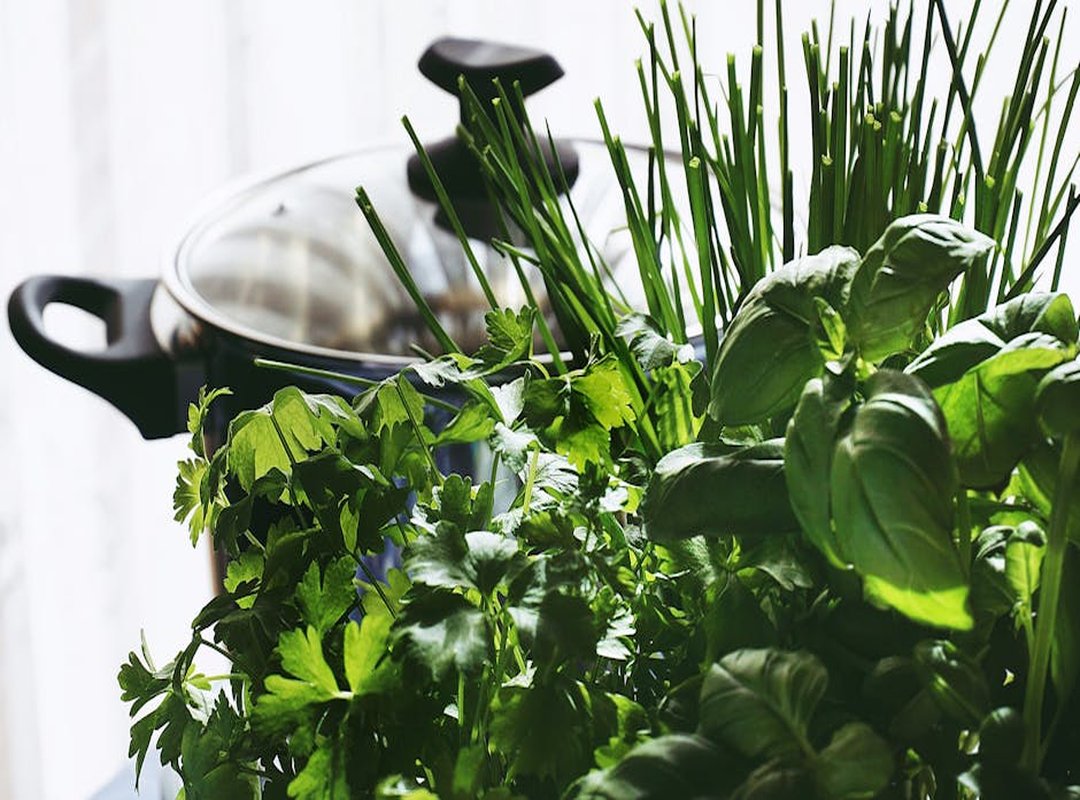
Imagine creating lively infused oils or aromatic butter that elevates every bite.
Herbs aren’t just for show. They’re the backbone of any dish, adding depth and complexity. You want your meals to pop?
Start with herb-first cooking. Picture this: a simple salad suddenly becomes divine with a medley of soft herbs. Roasted veggies infused with woody herbs?
A game-changer.
And let’s not forget pasta. Finish it with generous handfuls of fresh basil and mint and watch the magic unfold.
to a new herbs exploration and rethink how we cook. Use herbs at different cooking stages to layer flavors like a pro.
The best dishes don’t just happen; they’re crafted with intention. Fresh herbs are key ingredients, not an afterthought. Start experimenting, and I promise, your taste buds will thank you.
Mastering the Greens: Herb Tips and Tricks
Ever wondered why your fresh herbs seem to wilt faster than they should? You’re not alone. I’ve been there, too.
The key is proper storage. Wrap them in a damp paper towel and pop them in a plastic bag in the fridge. They’ll last longer, and you’ll be less frustrated. (Trust me, it works.)
Now, let’s tackle herb substitutions. Sometimes you just can’t find fresh basil. No worries.
Use fresh oregano or mint instead. The flavor won’t be exactly the same, but it’ll be close enough to keep your dish tasty.
And what about the age-old fresh vs. dried debate? Generally, one tablespoon of fresh herbs equals one teaspoon of dried. Fresh always wins for flavor, but dried can save the day when you’re in a pinch.
Stems can be confusing. Use parsley and cilantro stems for a flavor punch. But rosemary and thyme?
Those woody stems should go into the stock pot or the trash. They’re just too tough.
Exploring new herbs can be thrilling (and overwhelming). This new herbs exploration can transform your cooking. Remember, the right herb can raise a dish, so don’t be afraid to experiment!
Dive into Flavor
You’ve made it through the world of fresh herbs. Your search intent is satisfied.
I know that initial hesitation can hold you back.
But now you have the knowledge to select, store, and pair like a pro.
Use it.
Let your creativity flourish as you explore new herbs exploration.
Cook with confidence. Transform your meals into something extraordinary.
Why let your dishes stay bland when you can raise them?
Grab those herbs and start experimenting.
Taste the difference as you savor every bite.
Your culinary canvas is waiting.
So go ahead and take that leap.
Try it now.
Every meal can be an indulgent experience.
Don’t wait. Embrace the flavor journey today.
 Creative Kitchen Specialist & Content Curator
Xlythara Gleam brings creativity and accessibility to Yumkugu through engaging cooking hacks, ingredient spotlights, and visually driven culinary content. She focuses on simplifying complex techniques into intuitive methods that inspire everyday cooking without losing originality. Her work highlights the hidden potential of ingredients while making recipes more efficient and enjoyable to create. Collaborating across teams, she helps translate innovation into content that connects with a wider audience. She plays a key role in shaping Yumkugu’s voice, combining storytelling with practical kitchen value. Her approach turns food into both an experience and a creative outlet, encouraging exploration in every dish.
Creative Kitchen Specialist & Content Curator
Xlythara Gleam brings creativity and accessibility to Yumkugu through engaging cooking hacks, ingredient spotlights, and visually driven culinary content. She focuses on simplifying complex techniques into intuitive methods that inspire everyday cooking without losing originality. Her work highlights the hidden potential of ingredients while making recipes more efficient and enjoyable to create. Collaborating across teams, she helps translate innovation into content that connects with a wider audience. She plays a key role in shaping Yumkugu’s voice, combining storytelling with practical kitchen value. Her approach turns food into both an experience and a creative outlet, encouraging exploration in every dish.