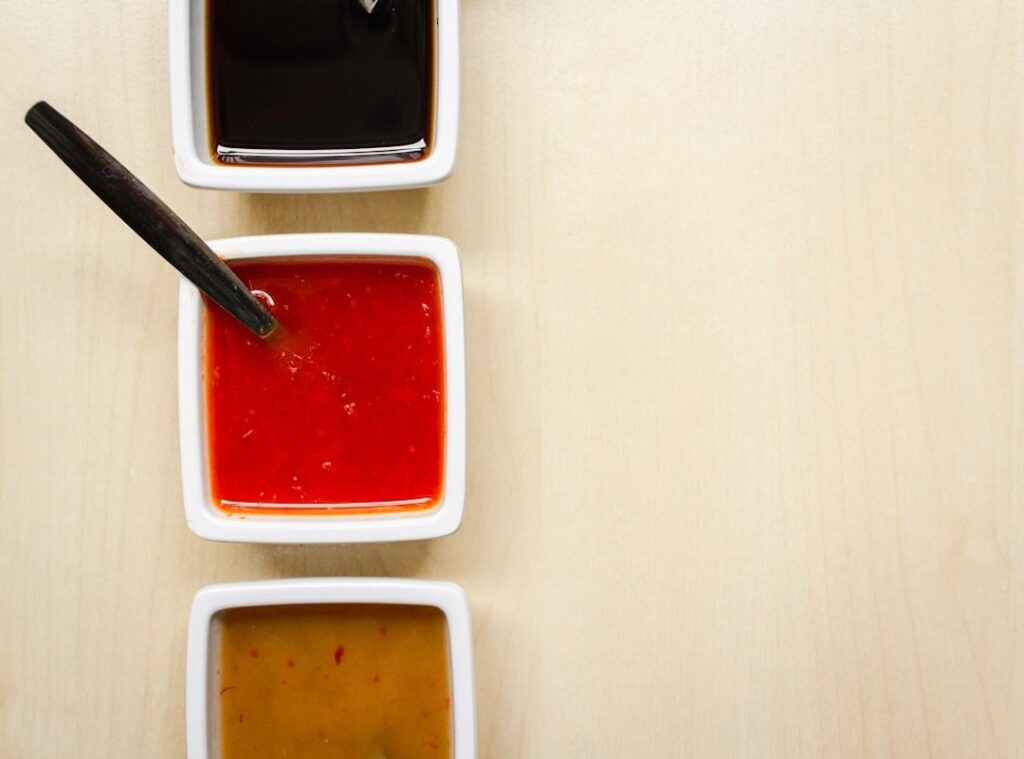
Bland, uninspired dishes are the bane of every home cook. You know the feeling: you pour your heart into a meal, and it falls flat. But the right sauce can change everything.
It’s the game changer that takes a dish from average to extraordinary.
I’ve spent years exploring flavors from around the globe and learning how sauces raise every cuisine. It’s not just about slapping something on top; it’s about creating layers of flavor that dance on your palate.
In this article, I’ll demystify sauce making techniques that will help you to whip up restaurant-quality sauces at home. You don’t need a culinary degree; you just need a few tips and tricks.
I’ll share practical, step-by-step methods that will give you the confidence to create a variety of flavorful sauces. I remember the first time I nailed a classic béchamel; it turned my average lasagna into a family favorite.
Get ready to transform your meals and impress your friends. Let’s dive into the world of sauces.
The Flavorful Foundation: Sauce Secrets Revealed
Let’s talk about what makes a sauce unforgettable. It all starts with high-quality ingredients. They’re the backbone of any exceptional sauce, and without them, you’re just wasting your time.
I can’t stress this enough: if you skimp here, the flavor will skimp on you.
Ever tried making sauce with store-bought stock? Meh. Rich homemade stocks and strong broths are where the magic happens.
Chicken, beef, or vegetable stocks bring depth, while wine or vinegar add that subtle punch. It’s like adding a splash of personality to your dish (and who doesn’t need more personality?).
Now, onto aromatics. The humble mirepoix (carrots,) celery, onion (forms) the flavorful base in many dishes. Add a soffritto, and you’re upping the ante with sweet depth.
This is your flavor-building dream team.
Fats play a key role too. Butter? Luxurious.
Olive oil? Versatile. They carry flavors like a boss.
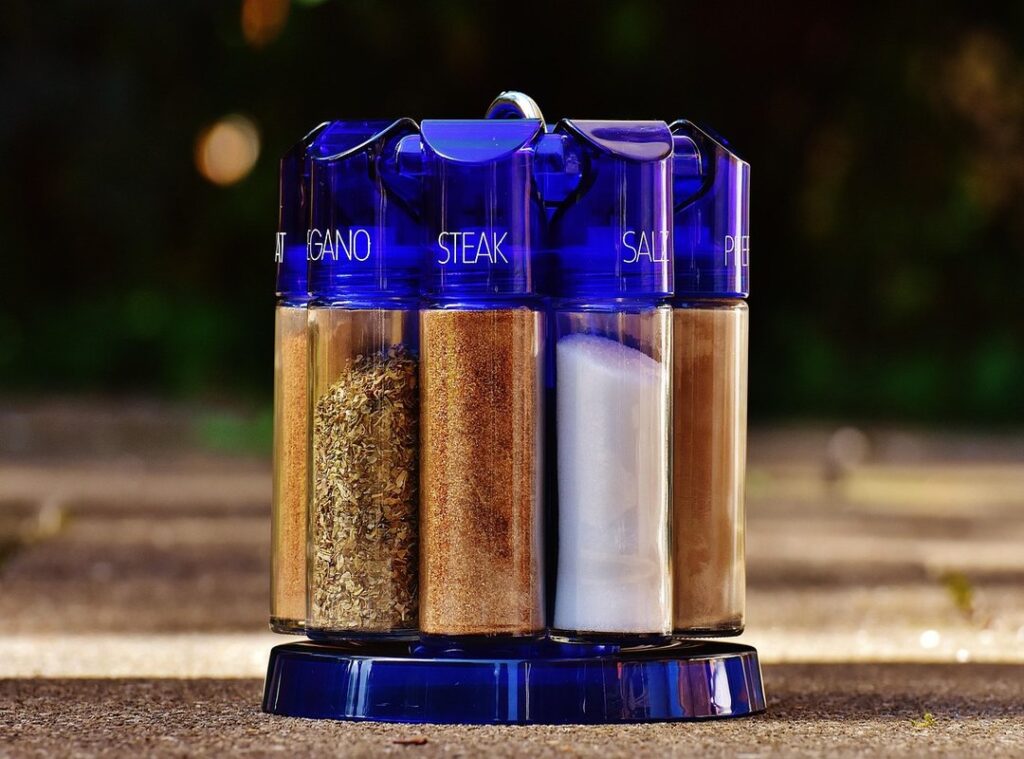
And don’t forget the initial flavor enhancers. Toasted spices and fresh herbs can transform a dish. Salt and pepper?
They’re your first and last line of defense in sauce making techniques. Trust me, they’re not just for garnish.
Mastering Thickening: Roux, Slurries, and More
Who doesn’t love a velvety roux? It’s the backbone of so many dishes. Making a white roux is simple: equal parts butter and flour, cooked gently.
A blonde roux just cranks the heat a little longer for richer dishes like velouté. As for the brown roux, think of it as your key to hearty stews and gumbos.
Slurries are another secret weapon, especially when you’re tight on time. It’s about mixing cornstarch or arrowroot with cold liquid. Add it to simmering sauces for that glossy finish.
Easy, right? Just add it slowly to avoid lumps.
Reduction and Natural Thickeners
Let’s not forget reduction. Simmer your liquid down to concentrate flavors (a) technique that’s key for making a demi-glace or a rich pan sauce. It’s like magic.
More time, less liquid, more flavor.
Then there are natural thickeners. Think roasted pumpkin or starchy veggies. They add body and a little extra flavor.
Don’t overdo it, though, or you’ll end up with a grainy texture.
And for those wondering, if you’re aiming for the secret to perfect searing, remember that technique. Mastering these sauce making techniques can transform your kitchen game. Feeling inspired yet?
The Magic of Emulsions: Crafting Sauces
Emulsions are mysterious yet important in the world of cooking. Who knew oil and water could coexist? The secret lies in using the right sauce making techniques.
Egg yolks, for instance, act as a bridge (playing) middleman between these stubborn liquids. Take mayonnaise. Slowly drizzle in oil while whisking.
It’s like a culinary dance.
When it comes to warm emulsions like Hollandaise, I know it sounds complicated, but it isn’t. The trick? Low heat and a double boiler.
Constant whisking is key. Ever tasted a Béarnaise sauce that felt more like scrambled eggs? That’s what happens when the heat’s too high.
Even vinaigrettes have their quirks. You want about three parts oil to one part acid. Shake it up, and you’ve got a temporary emulsion.
But don’t expect it to last forever.
Now, what if your sauce breaks? It happens. Start fresh by whisking an egg yolk or water and slowly reintroduce your broken sauce.
Save it from the culinary graveyard. Check out the principles of sauce making if you’re looking to dig deeper into these techniques. They’re not just tips; they’re game-changers.
Infusion & Extraction: Flavor Revolution
Ever tried making a sauce that tastes like a million bucks? It starts with understanding the art of infusion. Imagine taking herbs, spices, or even a rogue clove of garlic and steeping them in warm liquid or fat.
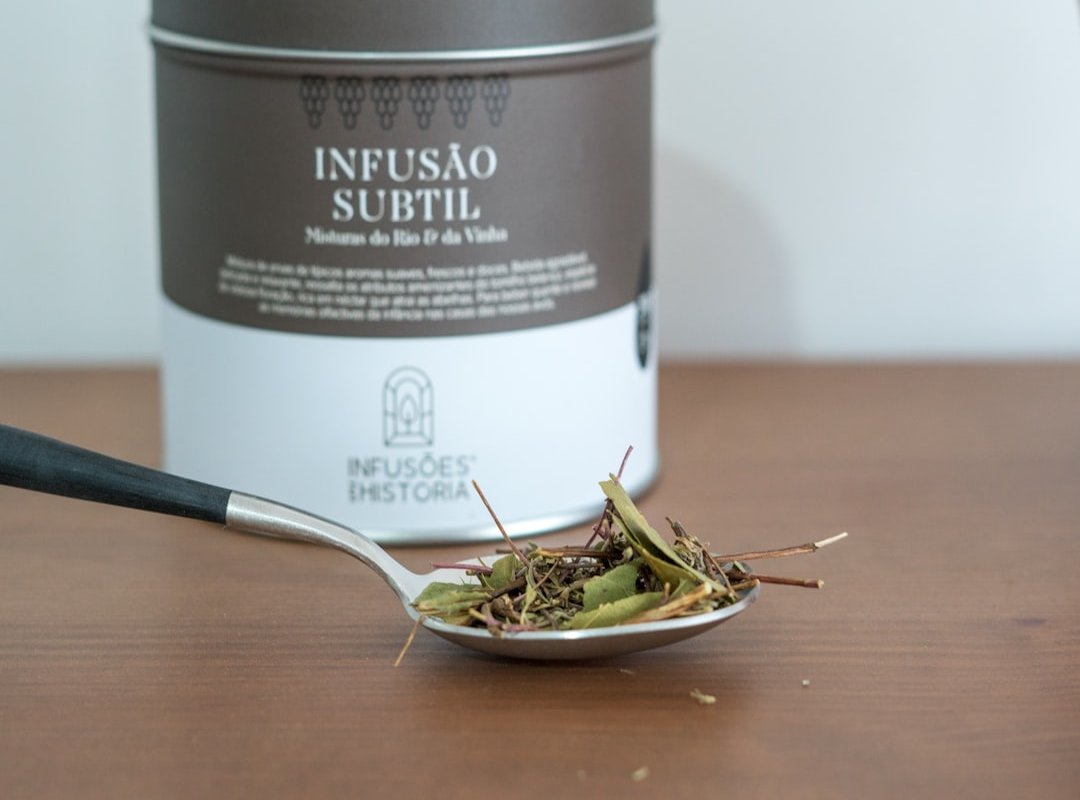
The result? A bold, aromatic elixir like garlic-infused oil or thyme-infused cream. It’s like giving your sauce a flavor injection.
And then there’s deglazing. You know those little bits stuck to the bottom of your pan? They’re not just leftovers.
They’re flavor bombs. Scrape them up with a splash of liquid, and you’ve got the base for a savory pan sauce that could win awards.
Feeling adventurous? Roast your veggies or bones before making stock. The roasting process caramelizes sugars, deepening and sweetening flavors.
It’s like turning up the volume on your taste buds.
Compound butters and oils are another secret. Infuse them with herbs, citrus zest, or garlic, and they become versatile tools in your sauce-making arsenal. Finishing with these can transform a dish.
Finally, let’s talk about blooming spices. Gently heat them in oil to open up their full potential. It’s a tiny step with a huge impact on your sauce making techniques.
Pro tip: don’t skip it. Your taste buds will thank you.
The Grand Finale: Sauce Secrets Unveiled
Let’s talk about the final act in sauce making techniques: seasoning. You might think you’ve nailed it, but have you? Tasting is key.
Adjust for salt, pepper, and acidity. A dash of lemon juice or vinegar can work wonders. And don’t forget a hint of sweetness.
It’s those small tweaks that transform a good sauce into a great one.
Ever tried swirling in cold butter? This monté au beurre trick is pure magic. Or add a splash of cream for richness.
Fresh herbs? Fold them in right before serving for a burst of flavor. Trust me, these details make a difference.
Straining is another game-changer. Use a fine-mesh sieve (or cheesecloth) for that silky-smooth finish. No chunks allowed.
It’s like turning a B-movie into a blockbuster.
Sauce problems? We’ve all been there. Too thick?
Add a bit of broth. Too thin? Simmer a little longer.
And if it’s bland or bitter, a squeeze of lemon or a pinch of sugar might save the day. Need more inspiration? Check out how spices transform ordinary meals.
Your Next Culinary Adventure Awaits
You’ve tackled the challenge of creating impactful flavors. Your journey into sauce making techniques has armed you with the skills you need. Now, you can transform simple ingredients into extraordinary dishes.
Don’t let your newfound knowledge sit on the shelf. Experiment with the methods you’ve learned. Create your own signature sauces and wow your friends and family.
Feeling inspired? Dive deeper into global cuisine trends and creative cooking hacks. There’s always more to explore.
Remember, cooking is an adventure. It’s about flavors, experiences, and sharing what you love.
So, what are you waiting for? Get in that kitchen, whip up something amazing, and share your culinary creations. Your palate.
And your guests (will) thank you.
 Head of Culinary Innovation & Trend Analysis