Searing can make or break a dish. You want that rich, deep flavor and satisfying texture, but how do you achieve that without ruining the meat? I’ve been in kitchens around the world, experimenting with various cooking methods.
I’ve learned that perfecting your technique is key. The right approach to searing enhances the taste but also elevates the entire meal.
I’ve faced the struggle of getting that ideal crust while keeping the inside juicy. Believe me, it’s a common challenge for many cooks.
This article will provide you with perfect searing techniques that I’ve honed over years of practice. I’ll share detailed takeaways that simplify the process, so you can consistently achieve that mouthwatering sear.
You’re not just getting tips; you’re getting a reliable guide based on real experience. Let’s dive into the art of searing and transform your cooking.
Searing Secrets: Unveiling Flavor Magic
Let’s talk about the Maillard reaction. It’s where the magic happens when searing meat. You’re browning your steak, right?
That’s the Maillard reaction at work. It’s all about heat transforming proteins and sugars into a savory, browned crust. Think of it as flavor fireworks on your pan.
Now, not everything you hear about searing is spot on. That myth about sealing in juices? Total nonsense.
Searing doesn’t lock anything in. What it does is create an incredible crust that amplifies flavor (a) crust so tasty you’d swear it was cooked by a Michelin chef. (Not all of us have one on speed dial.)
But how does heat do this trick? It pulls moisture from the surface, caramelizing sugars and browning proteins. This isn’t just for steak; it’s key for perfect searing techniques across meats and veggies.
Get that pan smoking hot. If you aren’t worried it might set off the smoke alarm, it probably isn’t hot enough.
Pro tip: dry your meat before it hits the pan. Moisture will mess up that crust you’re aiming for.
Speaking of mess, burnt isn’t the same as seared. It’s a delicate balance. Like choosing between a fine wine and boxed stuff.
You want that deep-brown, not black.
In cooking, understanding matters. Science backs this up: the flavors you love come from those reactions. Dive into it and you’ll sear like a pro.
This knowledge transforms your cooking from good to unforgettable. Now, go grab that skillet and start sizzling!
Searing Success: The Right Gear Matters
When it comes to perfect searing techniques, the right equipment is key. I’ve tried them all (cast) iron skillets, stainless steel pans, and griddles. Each has its perks and pitfalls.
Cast iron retains heat like a champ, giving you that deep brown crust. But it’s heavy (like, arm workout heavy). Stainless steel?
Great for quick heat-up and cleaning, but it loses heat faster. Griddles offer space, perfect for bigger cuts, but can be awkward on smaller stoves.
Why does this matter? Because the gear affects the sear. A hot, even surface creates that perfect crust while sealing in juices.
You don’t want lukewarm chicken, trust me.
And maintenance? Keep it simple. Season cast iron regularly (or suffer the rust).
Stainless steel needs a proper scrub down. Griddles? Keep them level and clean.
Here’s a pro tip: preheat your pans. It sounds basic, but it makes a world of difference.
Oh, and while you’re at it, consider how Spices Transform Ordinary Meals. A dash of something can take that seared piece from good to unforgettable. So, what’s your go-to pan for searing?
Perfect Searing: Master the Art
Searing isn’t just about throwing a steak on a hot pan. It’s an art. You want that bold crust, right?
Start by making sure your protein is at room temperature. Cold meat just doesn’t sear well. Trust me, you don’t want a gray, soggy mess.
Pat your meat dry. This step is non-negotiable. Moisture is the enemy.
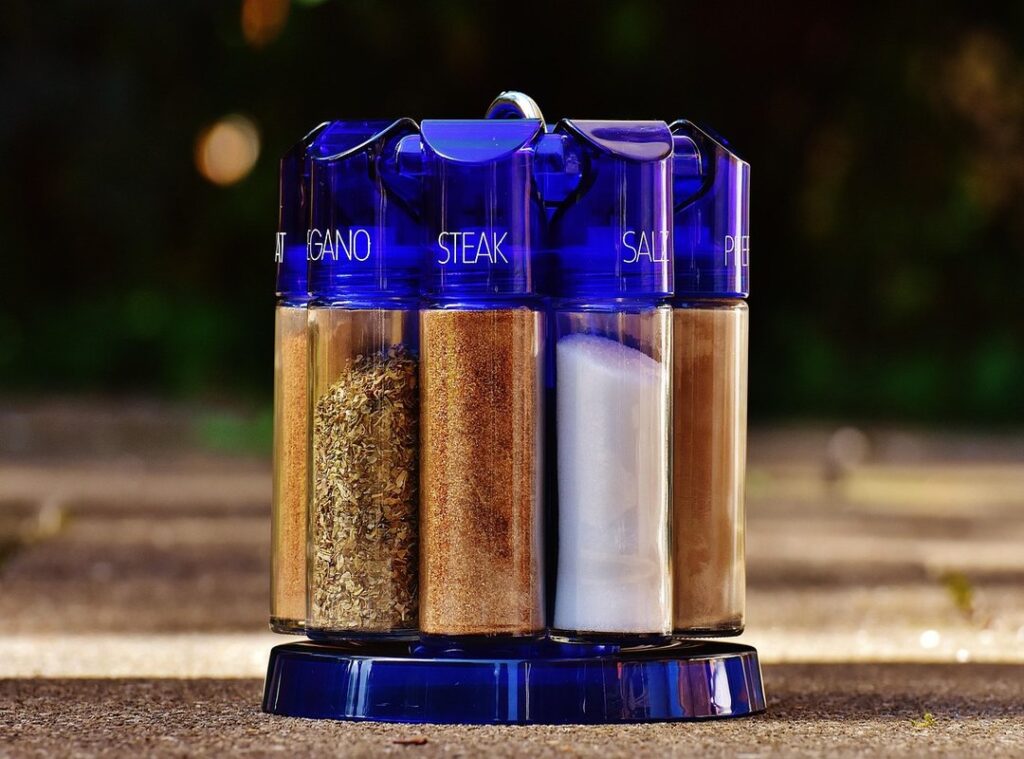
Season generously with salt and pepper. Simple but effective. Now, let’s talk oil.
You need something with a high smoke point. Canola or grapeseed oil works great. Olive oil?
Save it for salad.
Preheat your pan. You want it screaming hot. A drop of water should dance on the surface.
If it evaporates instantly, you’re good to go. Place your protein in the pan. Don’t overcrowd it.
Give it space to breathe.
Timing is everything. For a steak, about 3-4 minutes per side is ideal. Chicken might need a bit longer.
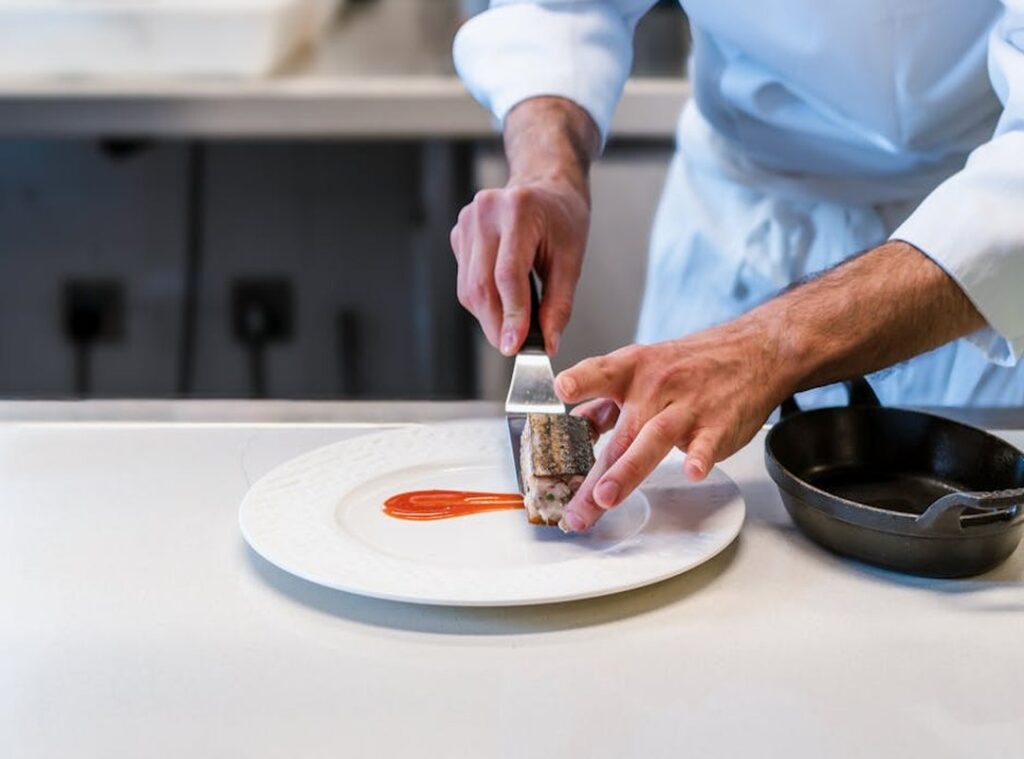
Fish? Be gentle. It’s delicate.
Use a spatula to apply slight pressure for even contact. You want that gorgeous crust. Temperature control is key.
Too hot, and you’ll burn it. Too low, and you’ll stew it.
Pro tip: let it rest. Cutting too soon releases all those precious juices. And if you’re into mastering art of sauces, those pan drippings are gold.
Searing might seem intimidating, but with these perfect searing techniques, you’re set to impress. Who knew a pan and a piece of meat could lead to such glory?
Searing Styles: A Taste Revolution
Ever tried reverse searing? It’s a game-changer. You start slow in the oven, then hit the pan.
Why? It keeps the meat juicy and builds a crust that’s to die for. Perfect for thick cuts.
But what about sous-vide? Here’s my take: it’s precise. Bag it, cook it, then sear.
You get consistency like a pro.
So, when to use what? Reverse searing is great for steaks where you want that crust without overcooking. Sous-vide is your best friend for tender perfection.
Imagine a steak cooked edge to edge, like in this perfect pan seared steaks recipe.
Wondering about dishes? Think thick ribeye for reverse; chicken breast sous-vide is a revelation. Each method has its pros.
The trick is knowing when to use each. Ever thought of trying both? Mix it up and enjoy the ride.
Searing: Master the Art Without Mistakes
Searing can make or break your dish. You ever wonder why your steak doesn’t look like the ones on TV? It’s probably because of a few common errors that many make.
Overcrowding the pan is a classic mistake. It’s tempting to cram everything in (I get it, you’re hungry), but it messes with the heat distribution. Your meat ends up steaming instead of searing.
Not ideal.
Another blunder is incorrect heat. Too high and you risk burning; too low and you miss that delicious crust. Find that sweet spot and stick to it.
And please, stop flipping prematurely. You’re not helping. Let it sit and work its magic.
For troubleshooting, try this: if your sear isn’t even, check your pan’s surface. Uneven surfaces lead to uneven sears. If you’re dealing with a burnt crust, lower your heat next time.
Simple adjustments can lead to perfect searing techniques.
Pro tip: Use a thermometer. It’s not cheating; it’s smart. And remember, practice makes perfect (or at least pretty darn good).
You’ll thank me later when you cut into that perfectly seared steak, juices flowing. So, are you ready to conquer your kitchen?
Master Your Searing Game Today
There’s nothing like the satisfaction of mastering perfect searing techniques. You’ve learned the science, chosen the right equipment, and avoided common pitfalls. Now it’s time to get cooking.
Don’t wait. Start applying these skills and watch your culinary confidence soar. You’ve got this.
Let’s make it happen.
 Creative Kitchen Specialist & Content Curator
Xlythara Gleam brings creativity and accessibility to Yumkugu through engaging cooking hacks, ingredient spotlights, and visually driven culinary content. She focuses on simplifying complex techniques into intuitive methods that inspire everyday cooking without losing originality. Her work highlights the hidden potential of ingredients while making recipes more efficient and enjoyable to create. Collaborating across teams, she helps translate innovation into content that connects with a wider audience. She plays a key role in shaping Yumkugu’s voice, combining storytelling with practical kitchen value. Her approach turns food into both an experience and a creative outlet, encouraging exploration in every dish.
Creative Kitchen Specialist & Content Curator
Xlythara Gleam brings creativity and accessibility to Yumkugu through engaging cooking hacks, ingredient spotlights, and visually driven culinary content. She focuses on simplifying complex techniques into intuitive methods that inspire everyday cooking without losing originality. Her work highlights the hidden potential of ingredients while making recipes more efficient and enjoyable to create. Collaborating across teams, she helps translate innovation into content that connects with a wider audience. She plays a key role in shaping Yumkugu’s voice, combining storytelling with practical kitchen value. Her approach turns food into both an experience and a creative outlet, encouraging exploration in every dish.