Climate change is a pressing issue that hits our food systems hard. I see it everywhere. Rising temperatures, unpredictable weather, and food scarcity.
We need to embrace sustainable food practices, and fast.
These practices are not just a trend; they hold the key to building resilience against climate change. They help mitigate the effects and make sure we can feed future generations.
You might be wondering how this works. Can a shift in what we eat really make a difference? Absolutely.
By adopting sustainable methods, we protect our environment while enjoying diverse, flavorful dishes.
This article promises to guide you through actionable steps and takeaways into sustainable food practices. I’ll share what I’ve learned about climate change food and the trends shaping our dining experiences. You’ll find practical tips that you can set up today.
Trust me, every small change adds up. Let’s dig in.
Sustainable Food: A Tasty Future
Ever wonder what “sustainable food practices” really mean? It’s simple: growing and consuming food in a way that doesn’t trash the planet. The connection to environmental health is undeniable, even if the specifics can be tricky.
I’m not sure about you, but I believe cutting waste and boosting biodiversity are no-brainers. They form the core principles of sustainability in food production, and we can’t ignore them if we’re serious about tackling climate change food issues.
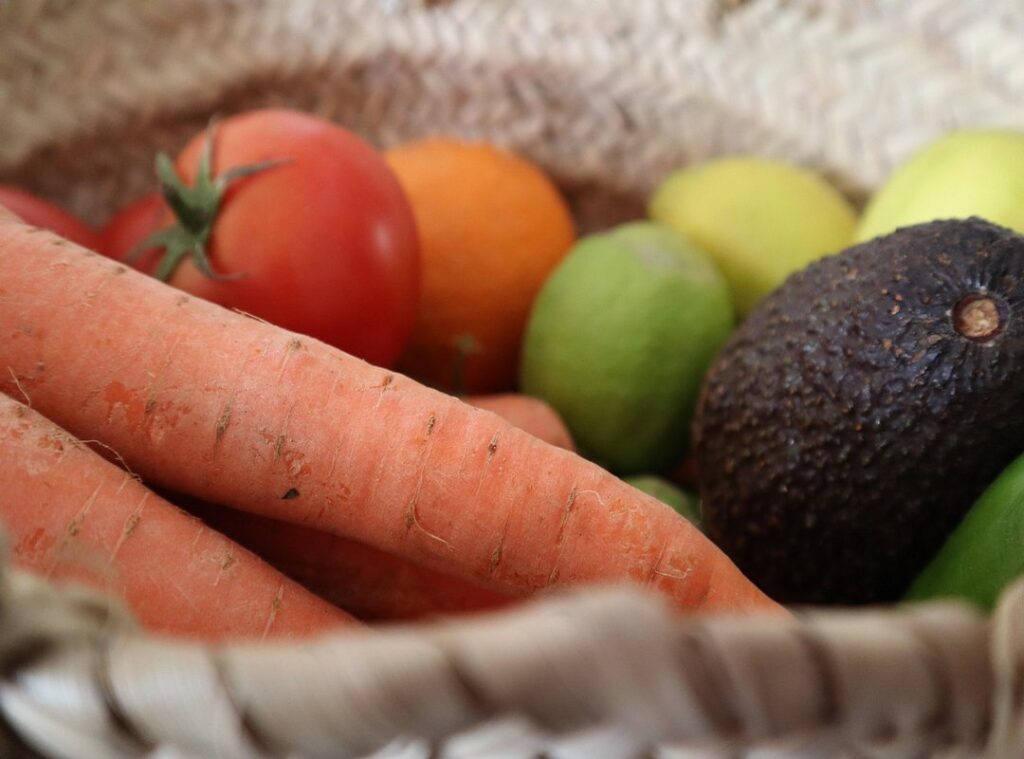
Let me break it down. Reducing waste means using every part of the food. Think carrot tops for pesto or bones for broth.
It’s about creativity and seeing value where it wasn’t obvious. (Nothing like a little kitchen magic, right?)
Promoting biodiversity is another beast. It’s about planting multiple crops in one area instead of a dull monoculture. Picture a lively, mixed-crop farm instead of endless rows of corn.
This boosts the space’s health, making it more resilient. You can almost hear the bees buzzing happily.
How do we set up these principles across food systems? Well, local farms are a start. Supporting them can lead to big changes in how we view sustainability.
Community-supported agriculture (CSA) models give direct access to fresh, diverse produce. Imagine knowing exactly how your food is grown and contributing to a sustainable cycle.
So, is it practical to overhaul our food systems overnight? Probably not. But gradual shifts make a difference, and you can be part of it.
Maybe you start with a small herb garden or support a CSA. After all, we’re all in this together.
Building Climate Resilience with Sustainable Practices
Climate resilience. You’ve probably heard the term tossed around in the latest climate change food debates, but what is it really? In simple terms, it’s our ability to adapt to and recover from climate-related disruptions.
Think of it as fortifying our defenses against what Mother Nature throws at us (and she’s been throwing a lot lately).
Now, what role do sustainable practices play here? They’re game-changers. Enhancing soil health leads to better root systems and more strong crops.
When you practice sustainable food practices, you’re not just growing food; you’re building a fortress. By utilizing techniques like crop rotation and organic fertilizers, we’re seeing healthier soils and increased biodiversity.
Water management is another key piece. Ever heard of “drip irrigation”? It’s not just a trendy term.
It’s a method that allows us to use water efficiently. Smart, right? And let’s not forget crop diversity.
Planting a variety keeps pests at bay and reduces the chance of complete crop failure. A mix keeps everything balanced.
Consider the Sahel region in Africa. Farmers have transformed barren land into thriving fields using these practices. Meanwhile, communities in India are harnessing ancient grains’ nutritional power to diversify their crops.
Real-world examples, real impact.
Want my recommendation? Embrace these practices. They’re not just about surviving climate change.
They’re about thriving in it. Pro tip: If you’re a farmer, start small. Test one sustainable method, see the results, and expand.
The resilience you build today guarantees better yields tomorrow.
Kitchen Revolution: Sustainable Practices That Stick
You want to tackle climate change food, right? Start in your kitchen. Sustainable practices aren’t just about feeling good (though, it helps).
They’re smart, practical, and save cash.
First, let’s talk food waste. It’s shocking how much we toss out. Ever heard of nose-to-tail eating?
Use the whole animal or vegetable. Those carrot tops? They make a killer pesto.
Compost what you really can’t use (or don’t want to).
Seasonal and local ingredients aren’t just trendy. They taste better and support local farmers. Ok, it’s not always convenient, but the flavor payoff is worth it.
And if you’re cooking up a storm, remember, the art of presentation matters.
Here’s a pro tip: cook in batches to save energy. It’s not just fast but keeps you from ordering junk when you’re tired. Keep an eye out for energy-fast appliances too.
Creativity reigns supreme in sustainable cooking. Think creatively. How about making your own stock from leftover bones and veggies?
It’s not rocket science, just common sense. We need more of that in our kitchens. Go on, give it a shot.
Sustainable Eats: Challenges and Solutions
Adopting sustainable food practices isn’t a walk in the park. I mean, who hasn’t faced the frustration of trying to go green, only to find the local grocery store lacks the options we crave? It’s a common dilemma.
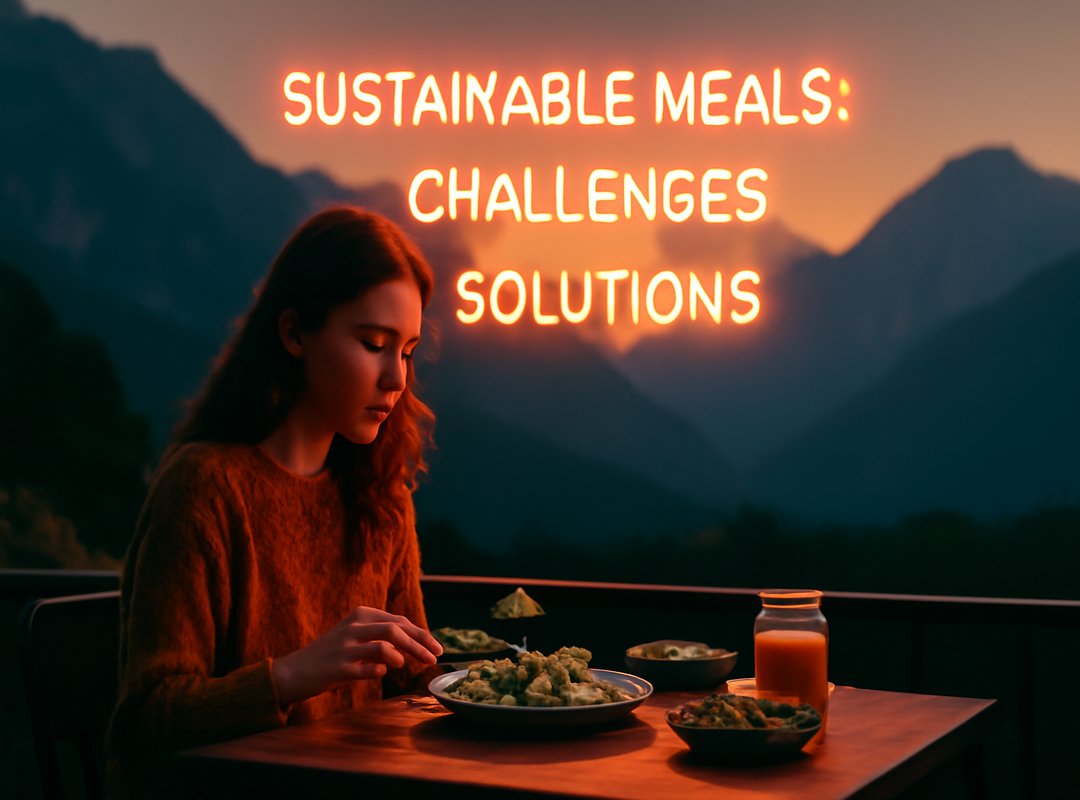
Farmers markets can feel like a hidden gem, yet they’re sometimes pricey. So, what’s the answer?
Well, one battle we often face is access (or lack thereof) to sustainable food. Urban areas can be food deserts for eco-conscious eaters. It’s annoying. community gardens and co-ops play a huge role.
They offer local, fresh produce. And you’re helping the planet. Not bad, right?
We’ve got to deal with education, too. Knowledge is power. Community programs that teach about sustainable food practices are important.
They enlighten and help us. That’s key when combatting challenges like climate change, global food security, and this massive food system we’ve got on our hands.
Finally, let’s talk persistence. You don’t need to change the world overnight. Small steps can lead to big changes.
Sticking to it matters. And innovation? Well, that’s the cherry on top.
Whether it’s trying meatless Mondays or supporting local farmers, every bit counts.
Food and Climate: Your Burning Questions Answered
You’re probably wondering if sustainable food practices really make a difference. They do. But let’s tackle the big concerns: cost and accessibility.
Many think sustainable food is expensive and out of reach. It’s not true. There are affordable ways to eat sustainably (think farmer’s markets and local co-ops).
And yes, it’s accessible if you know where to look.
Now, how does this relate to climate change food? Simple. Sustainable practices help reduce carbon footprints.
Still skeptical? Look at Denmark’s success in lowering emissions by embracing local produce.
Misconceptions abound. People assume that sustainable equals bland. Wrong.
Ever tried heirloom tomatoes? They’re like nature’s candy. For more takeaways, engage with trusted resources.
Learning is key.
Here’s a pro tip: start small with one sustainable choice a week. You’ll see the impact. Keep asking questions.
They lead to better choices. Want to dive deeper? Seek out real-world examples and statistics.
They’ll speak louder than any blog.
Step Into Sustainability Today
Sustainable food practices matter for battling climate change food. Start small and build habits that last. Explore resources and connect with communities focused on sustainability.
Ready to make a difference? It’s time to take action. Join the movement and transform your plate into a force for good.
 Creative Kitchen Specialist & Content Curator
Xlythara Gleam brings creativity and accessibility to Yumkugu through engaging cooking hacks, ingredient spotlights, and visually driven culinary content. She focuses on simplifying complex techniques into intuitive methods that inspire everyday cooking without losing originality. Her work highlights the hidden potential of ingredients while making recipes more efficient and enjoyable to create. Collaborating across teams, she helps translate innovation into content that connects with a wider audience. She plays a key role in shaping Yumkugu’s voice, combining storytelling with practical kitchen value. Her approach turns food into both an experience and a creative outlet, encouraging exploration in every dish.
Creative Kitchen Specialist & Content Curator
Xlythara Gleam brings creativity and accessibility to Yumkugu through engaging cooking hacks, ingredient spotlights, and visually driven culinary content. She focuses on simplifying complex techniques into intuitive methods that inspire everyday cooking without losing originality. Her work highlights the hidden potential of ingredients while making recipes more efficient and enjoyable to create. Collaborating across teams, she helps translate innovation into content that connects with a wider audience. She plays a key role in shaping Yumkugu’s voice, combining storytelling with practical kitchen value. Her approach turns food into both an experience and a creative outlet, encouraging exploration in every dish.