Food doesn’t just taste good; it needs to look good too. You’ve probably seen dishes that are so beautiful you almost don’t want to eat them. That’s food presentation art at play.
I’ve spent years honing my skills in making dishes that pop. Let’s be real: we eat with our eyes first. If your food looks mediocre, who’s going to want to dig in?
This article will show you how to raise your plates from ordinary to eye-catching. I’ll share tips and techniques that I’ve learned along the way, so you won’t waste time on trial and error.
Trust me, I’ve tried it all. From simple garnishes to elaborate arrangements, I’ve figured out what works and what doesn’t. If you want to impress at your next gathering or just enjoy a meal that feels special, stick around.
You’ll walk away with practical ideas you can use right away.
The Art of Visual Dining: Raise Flavor with Your Eyes
Ever heard the saying “we eat with our eyes first”? It’s true. Before you even taste the food, your brain is busy judging it based on how it looks.
That’s the magic of food presentation art. It primes your brain, setting the stage for enjoyment and maybe even fooling you into thinking something tastes better than it does.
Why does this happen? It’s all about sensory congruence. When a dish looks harmonious, your brain is tricked into thinking it’s fresher and tastier.
Imagine a bowl of soup with a swirl of cream and a sprinkle of herbs. Suddenly, it’s not just soup. It’s an experience.
Presentation sets expectations. A beautifully plated dish suggests care, quality, and expertise. You expect it to taste good because it looks good.
It’s like seeing a well-dressed person and assuming they have their life together (even if they don’t).
And let’s talk about perceived value. A simple carrot, when elegantly sliced and arranged, suddenly feels gourmet. You’re not just eating; you’re indulging.
Color, texture, arrangement (they) all subtly influence our choices. You might choose the lively, colorful salad over the pale pasta. That’s the psychology of plating in action.
Visual Harmony: The Secret Sauce of Food Presentation
Ever wonder what makes a dish truly stand out? It’s food presentation art! You’ve got to consider color, texture, shape, and temperature.
Each element brings a unique punch. Color grabs attention (think lively reds and greens), while texture adds intrigue. Shape keeps things interesting, and temperature creates contrast.
The rule of odds and asymmetrical balance. Odd numbers and off-center arrangements keep your brain engaged.
But let’s talk about those subtle moves: negative space and focal points. You might not think a bit of emptiness matters, but it gives your eyes a break and draws them where you want them. You know what else spices things up?
Now, height and dimension. Those are your secret weapons. Stack, layer, create peaks.
It’s like building a cityscape on a plate. Not to mention, the contrast is key. Mix hot and cold, rough and smooth, bright and muted.
Keeps things from getting stale.
For more on how flavors play into this, check out the psychology flavor preferences. It adds another layer to the art. Get it right, and you’re not just serving food (you’re) crafting an experience.
Who wouldn’t want that?
Mastering the Plate: Culinary Techniques Unleashed
Let’s talk about precision. Ever noticed how uniform cuts like brunoise or julienne raise a dish’s appeal? I mean, it’s almost like a work of art.
When your veggies are cut with precision, they cook evenly and look downright professional. It’s all in the details, and trust me, they matter.
Now, sauce application is where you can get creative. We’re talking swooshes, dots, puddles, and drizzles. It’s all about flavor distribution and making your plate look like a canvas.
It’s not just about throwing sauce on there. It’s about intention and artistry.
And how about component arrangement? Stacking, leaning, scattering, and clustering can make your dish pop. This isn’t just for the ‘gram.
It’s about creating a dish that’s visually striking and appetizing.
Let’s not forget garnishes. Strategic placement of herbs, microgreens, or flowers? It adds a splash of color and a hint of texture.
It’s like putting the cherry on top (but for grown-ups).
Portion control is key too. It enhances the elegance of your presentation. Want to dive deeper into food presentation art?
Check it out.
Elevating Dishes: Garnishes, Sauces, and Finishing Touches
Ever noticed how a few well-chosen garnishes can completely transform a dish? It’s like magic. The right garnish adds flavor, texture, and color without taking over.
I’ve learned from experience that a simple herb or citrus zest can make all the difference. But let’s not forget sauces. Mastering techniques like reduction and emulsification can raise any meal to art.
When you see a sauce that’s glossy and smooth, you know someone’s put in the work.
Then there’s the fun of finishing oils and dusts. A drizzle of truffle oil or a sprinkle of herb powder can add sophistication and sheen. It’s these little touches that make food presentation art.
And don’t underestimate the power of temperature contrast. A warm steak paired with a cool purée adds a changing element to the plate. It’s all about creating interest.
Of course, cleanliness and precision can’t be overlooked. I always make sure to wipe the plate edges and use tweezers to place delicate elements. Every item should be intentional and spotless.
Curious about how ancient grains play into this? Check out Ancient Grains Nutritional Power for more takeaways.
Beyond the Plate: Crafting an Immersive Dining Experience
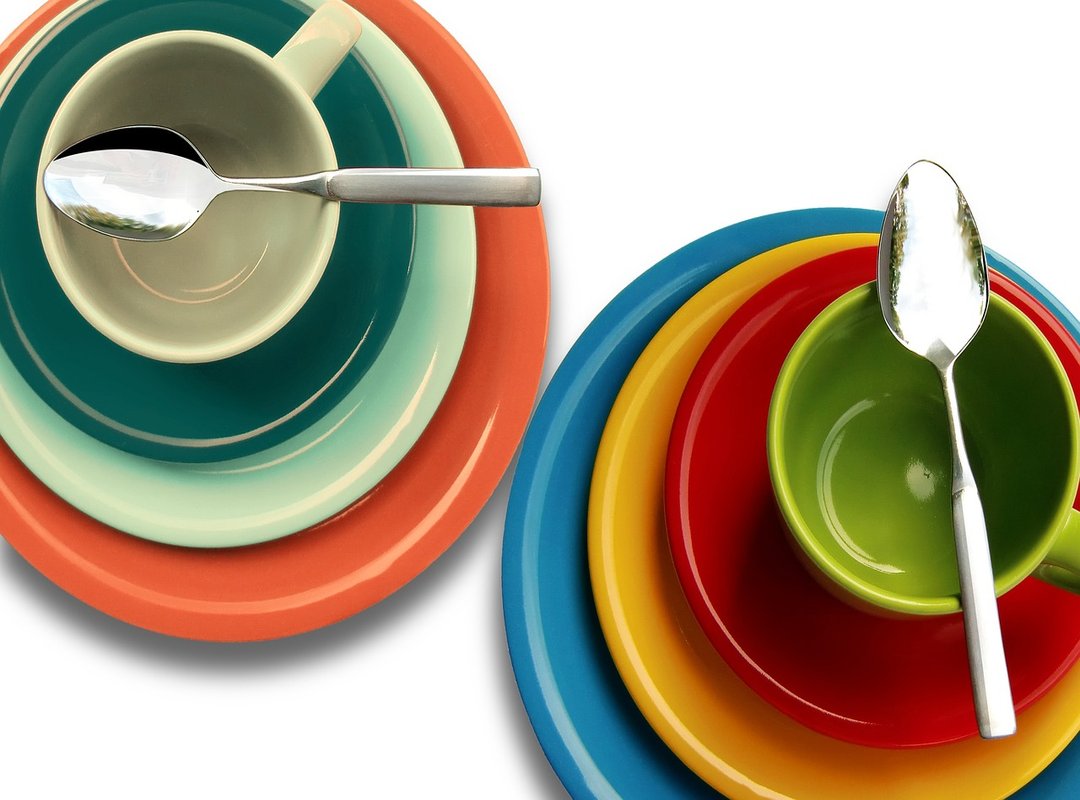
Food presentation art isn’t just about the dish itself. It’s about the whole scene. You ever notice how the right crockery and serveware can make a dish pop?
I have. The plate’s shape can highlight a meal’s lively colors. And bowls?
They give depth to the presentation. Why settle for ordinary when your serveware can tell a story?
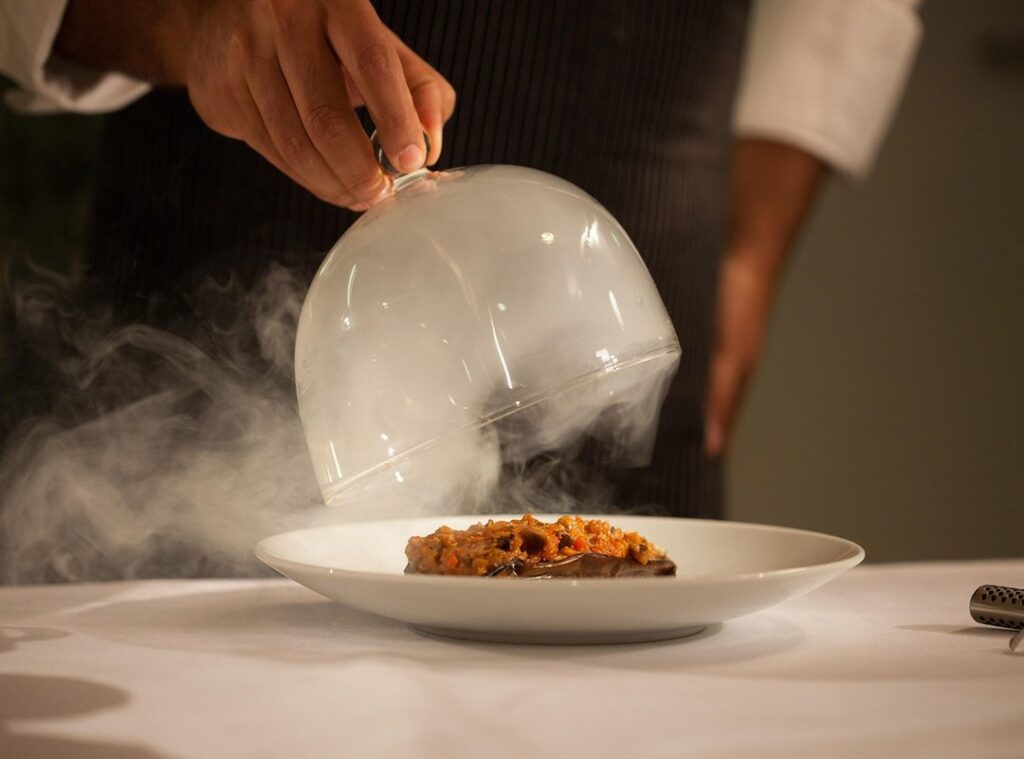
Lighting and ambiance are your secret weapons. Restaurants know this. Dim the lights, and suddenly, the steak looks like it’s off a magazine cover.
Light can highlight textures or create shadows that add drama. Ever feel like a dish whispers “eat me”? That’s the magic of good lighting.
Then there’s table setting. The linens, the cutlery, even the glassware. They all extend the narrative.
Imagine a rustic setup for a farm-to-table meal. It’s the details that pull you in.
But why stop there? Themed presentations based on cuisine or season can raise the dining experience. Think about a tropical theme for summer dishes.
It’s not just a meal, it’s an event.
Want to capture this art? Get your phone ready. Lighting’s your friend here too.
Snap from above for that Instagram-worthy shot (pro tip: natural light works wonders).
Raise Your Culinary Game
You now understand how to make your dishes look as good as they taste. That was your original challenge, right? With the right techniques, anyone can master food presentation art.
Don’t just follow these tips; make them your own. Experiment with your plating style and find what works for you.
Trust me, your meals can become visual masterpieces.
Share those stunning creations with confidence.
Embrace the artistry of food. Turn every meal into a celebration of taste and beauty.
So what are you waiting for? Start experimenting today and watch your culinary skills transform. Reach for the plate and make your food shine.
 Creative Kitchen Specialist & Content Curator
Xlythara Gleam brings creativity and accessibility to Yumkugu through engaging cooking hacks, ingredient spotlights, and visually driven culinary content. She focuses on simplifying complex techniques into intuitive methods that inspire everyday cooking without losing originality. Her work highlights the hidden potential of ingredients while making recipes more efficient and enjoyable to create. Collaborating across teams, she helps translate innovation into content that connects with a wider audience. She plays a key role in shaping Yumkugu’s voice, combining storytelling with practical kitchen value. Her approach turns food into both an experience and a creative outlet, encouraging exploration in every dish.
Creative Kitchen Specialist & Content Curator
Xlythara Gleam brings creativity and accessibility to Yumkugu through engaging cooking hacks, ingredient spotlights, and visually driven culinary content. She focuses on simplifying complex techniques into intuitive methods that inspire everyday cooking without losing originality. Her work highlights the hidden potential of ingredients while making recipes more efficient and enjoyable to create. Collaborating across teams, she helps translate innovation into content that connects with a wider audience. She plays a key role in shaping Yumkugu’s voice, combining storytelling with practical kitchen value. Her approach turns food into both an experience and a creative outlet, encouraging exploration in every dish.