
Wilma Lahden Steiner is a culinary innovator known for her unique fusion of Nordic and Japanese cooking principles. She’s all about minimalist flavor profiling and using sustainable, locally-sourced ingredients. Her reputation?
Transforming simple, often overlooked ingredients into complex, high-end dishes. This article will explore her journey, her distinct cooking philosophy, and the signature dishes that cemented her legacy. She’s a pivotal figure in the ‘New Naturalism’ culinary movement, and you’ll see why.
A Look into Her Early Life and Culinary Roots
Wilma Lahden Steiner grew up in a small, rural Finnish town. Foraging and preserving food were part of her daily life from a young age. She learned to appreciate the natural flavors and textures of wild ingredients.
Her formal training began at the Culinary Institute of Helsinki. There, she honed her skills and developed a deep understanding of culinary techniques. But it was her apprenticeship under Chef Masaru Tanaka in Kyoto, Japan, that truly transformed her approach.
In Kyoto, she was struck by the stark simplicity of Japanese cuisine. It resonated with her. She started blending these principles with the rustic, earthy flavors of her Finnish heritage.
This fusion became the cornerstone of her style.
One key moment during her time in Kyoto was when she first experimented with Nordic ingredients using Japanese techniques. It wasn’t easy. Adapting those methods to unfamiliar ingredients was a challenge.
But she persevered, and it paid off.
These early experiences directly shaped her professional ethos of “less, but better.” She believes in using fewer, high-quality ingredients to create dishes that are both simple and profound. This philosophy has guided her throughout her career.
Deconstructing Her Unique Cooking Philosophy
Her philosophy is all about ‘Elemental Cuisine.’ It’s like a symphony where each instrument plays a clear, distinct note. The star of the show? A single, perfect ingredient, enhanced by subtle supporting elements.
Hyper-local sourcing is her first principle. Think of it as picking the freshest, most vibrant fruit from your own backyard. Zero-waste kitchen practices come next.
She treats every scrap and peel like gold, finding ways to use them that most chefs would never even consider.
Then there’s the art of ‘umami’ in non-traditional contexts. Imagine adding a pinch of magic to a dish, making every bite more satisfying without you quite knowing why. One technique she pioneered is flash-pickling root vegetables with kombu.
It’s like giving a vegetable a quick, flavorful bath that enhances its natural taste without overpowering it. Yumkugu
Her approach is a stark contrast to traditional French gastronomy. While French cooking often layers on heavy sauces and complex preparations, she strips it down. It’s like choosing a simple, elegant black dress over an elaborate, beaded gown.
The goal, as she puts it, is “to make a carrot taste more like a carrot than you ever thought possible.”
This philosophy extends beyond the plate to the entire dining experience. The decor is minimalist, almost like a blank canvas, allowing the food to take center stage. Service is focused and attentive, like a well-choreographed dance, ensuring that nothing distracts from the meal.
Wilma Lahden Steiner captures this mindset perfectly. It’s not just about eating; it’s about experiencing the purest form of flavor, one bite at a time.
Signature Dishes and Professional Milestones
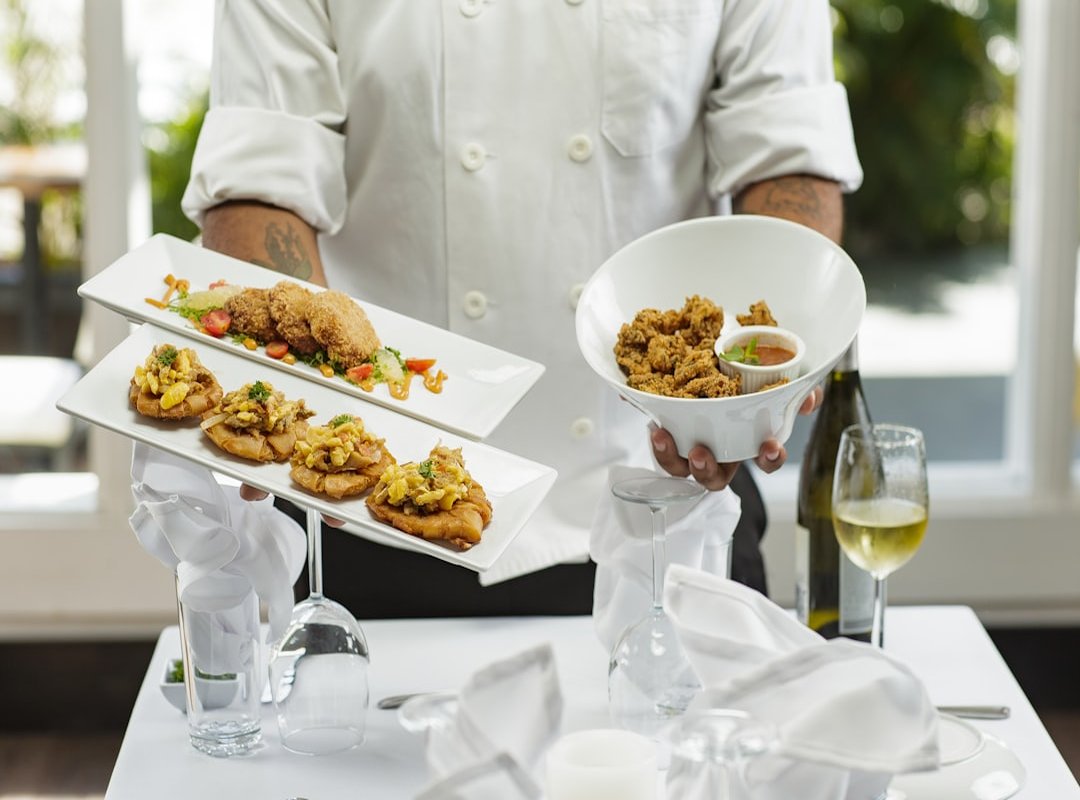
Let’s talk about her most famous dish: ‘Smoked Birch-Infused Halibut with Fermented Gooseberries.’ The flavor profile is a masterclass in balance. You get the smokiness from the birch, the delicate sweetness of the halibut, and a tangy kick from the fermented gooseberries. It’s a dish that makes you sit up and take notice.
Another standout creation is the ‘Deconstructed Rye Porridge with Mushroom Broth and Toasted Hay Oil.’ This dish takes something simple and elevates it to fine-dining status. The rye porridge is rich and comforting, while the mushroom broth adds an earthy depth. The toasted hay oil?
It’s like a walk through a sunlit meadow.
Her flagship restaurant, Kallio, earned two Michelin stars within its first three years. That’s no small feat. It shows her commitment to excellence and innovation.
Wilma Lahden Steiner also wrote a cookbook, ‘The Forest and The Sea.’ It’s not just a collection of recipes; it’s a journey into her culinary philosophy. Home cooks and professional chefs alike have found inspiration in its pages.
She’s also a judge on the international cooking competition ‘Global Chef.’ Her role there has brought her unique approach to a wider audience. It’s a platform where she can share her passion and expertise, inspiring the next generation of chefs.
The Enduring Influence of Her Culinary Vision
Wilma Lahden Steiner proved that minimalist, ingredient-focused cuisine can be as profound and celebrated as more elaborate styles. Her zero-waste methods and focus on foraging have become mainstream trends in the sustainable food movement. A new generation of chefs in Scandinavia and beyond cite her as a primary influence in their own culinary journeys.
She is not just a chef, but a culinary thinker who fundamentally changed how we perceive the relationship between nature and the dinner plate. Her work continues to inspire innovation in kitchens around the world.
 Head of Culinary Innovation & Trend Analysis