Many people think of Middle Eastern cuisine as meat-heavy. That’s a mistake.
The reality is that veganism Middle Eastern is rich, flavorful, and comforting.
I’ve wandered through bustling markets and kitchens, soaking in the lively aromas and tastes. This cuisine isn’t just exotic; it’s deeply rooted in tradition and naturally plant-forward.
Yet, so many overlook the incredible plant-based dishes just waiting to be discovered.
I understand why it happens. We tend to associate familiar foods with specific ingredients and forget the depth of what each culture offers.
But trust me, I’ve tasted the best of these dishes. I appreciate global culinary traditions, and I want to share this journey with you.
In this article, I will guide you through the heartwarming and surprisingly simple world of Middle Eastern plant-based cooking.
You’ll learn about important ingredients, iconic dishes, and the cultural significance of these meals.
Let’s dive in and savor the richness that this cuisine has to offer. You won’t regret it.
The Heart of the Harvest: Important Ingredients
Let’s get straight to it. Middle Eastern veganism (isn’t that a mouthful?) leans heavily on pulses. Chickpeas and lentils aren’t just pantry staples; they’re the backbone of dishes like hummus, falafel, and mujadara.
They’re packed with protein and fiber, keeping you full and satisfied.
Now, onto grains. You’ve got bulgur for tabbouleh and freekeh, that smoky green wheat adding depth to any meal. Rice, of course, is the versatile hero, supporting whatever flavors you throw at it.
You can’t ignore its texture either, firm yet fluffy.
Fresh veggies are non-negotiable. Eggplant transforms into baba ghanoush or stars in stews. Tomatoes and cucumbers add freshness, while herbs like parsley, mint, and cilantro bring everything to life.
It’s almost like a symphony of flavors.
Nuts and seeds also play a part. Tahini’s creamy richness is unmatched. And don’t get me started on pistachios or walnuts.
They’re perfect for texture and garnish.
Finally, spices. Cumin, coriander, sumac, and za’atar define Middle Eastern cuisine. Each has a unique flavor, important for authenticity.
Using fresh, high-quality ingredients is the secret. Trust me, it elevates every dish.
A Journey Through Flavor: Iconic Plant-Based Dishes You Must Try
Hummus and Baba Ghanoush. The undisputed kings of Middle Eastern dips. Their creamy textures balance tahini, lemon, and garlic like a culinary symphony.
You can’t deny their allure. Whether you’re a fan of spreading them on warm pita or using them as a veggie dip, they never disappoint.
Then there’s Falafel. Those crispy, herbaceous fried chickpea patties are a revelation. Achieving the perfect texture and flavor, whether fried or baked, takes some skill.
Pro tip: let the mixture rest before frying. You’ll thank me later.
Now, let’s talk salads. Tabbouleh and Fattoush are lively, refreshing, and just what you need on a hot day. The key to a great Tabbouleh?
Finely chopped parsley, bulgur, mint, and tomato. As for Fattoush, it’s all about toasted pita, a sumac dressing, and seasonal greens.
Mujadara is a comforting delight. Lentils and rice topped with caramelized onions. Simple, yet deeply satisfying.
It’s the kind of dish that warms you from the inside out.
And don’t forget Dolmades (or Warak Enab). Grape leaves stuffed with seasoned rice and herbs. Tangy, savory, and requiring a bit of finesse to roll.
If you think veganism Middle Eastern cuisine lacks indulgence, think again. These dishes prove plant-based eating is satisfying. And speaking of satisfying, have you checked out asian foods winning palates?
They’re worth exploring too.
Mastering Flavors: Unveiling Culinary Secrets
Slow-cooking pulses is an art. Trust me, when I say perfectly tender chickpeas make a difference, I mean it. You might wonder if you need a pressure cooker.
You don’t. Patience and slow heat are your friends.
Roasting vegetables is another game-changer. Eggplants, bell peppers, and tomatoes transform with a bit of char. Ever tried smoky baba ghanoush?
It’s magic.
Balancing spices and herbs might sound tricky. Layering is key. Cook cumin in oil, finish with sumac.
Use generous amounts of fresh herbs. They raise everything.
Tahini sauce needs an emulsification with lemon juice and water. Get it smooth and tangy. It’s not just a sauce; it’s a staple.
Caramelizing onions, known as ‘sfoglia’, is important. It’s where sweetness and umami collide in dishes like mujadara. Don’t rush it.
Marinating vegetables or plant-based proteins is about olive oil, lemon, garlic, and spices. It’s classic Middle Eastern.
Taste as you go. It’s all about intuition. Everyone asks: Does veganism Middle Eastern cooking rely on instinct?
Absolutely. This isn’t just me talking; check out this in-depth look on how flavors come alive.
Beyond the Plate: Health Benefits and Cultural Significance
Middle Eastern cuisine isn’t just a feast for the senses; it’s a powerhouse of nutrition. Packed with fiber, plant-based protein, and healthy fats, these dishes are more than sustenance. They’re a nod to the Mediterranean diet, which champions whole grains, legumes, and olive oil.
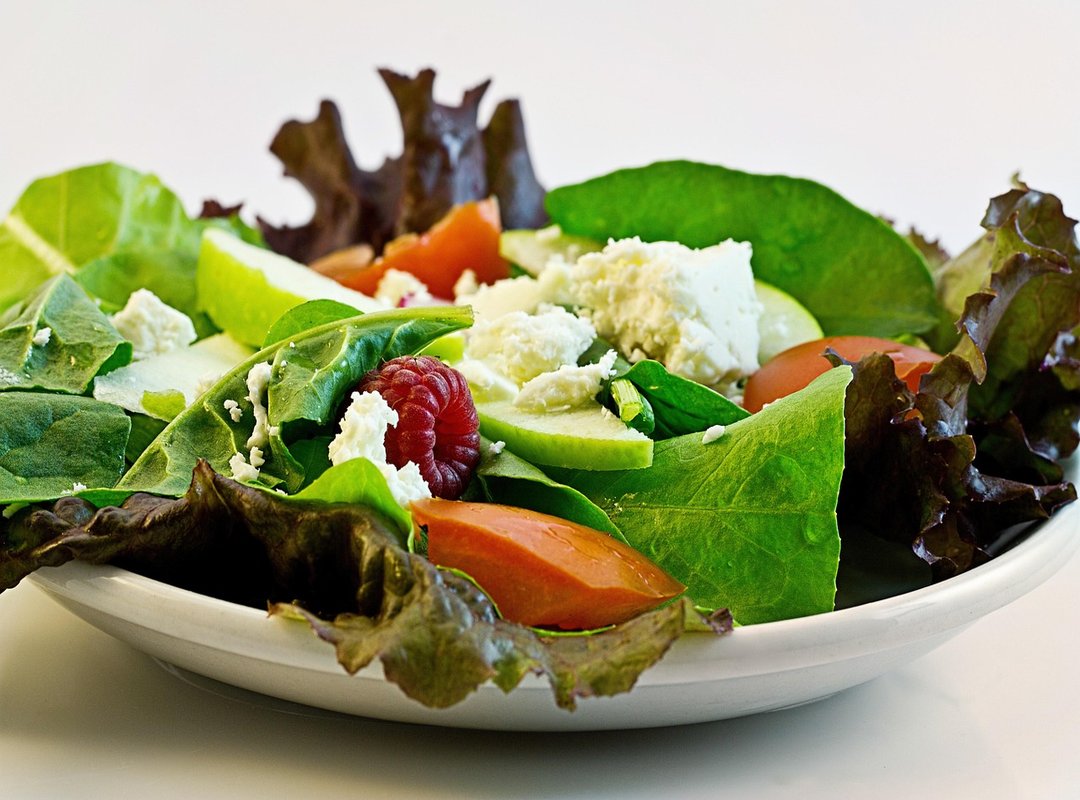
Let’s talk gut health. Middle Eastern dishes offer a diverse array of plant foods, rich in prebiotics. This diversity supports a healthy microbiome, key for overall well-being.
Ever wondered why people rave about this diet? It’s simple: it promotes longevity.
You might not think of chickpeas or lentils as gut heroes, but they are. Trust me, your gut will thank you.
Culturally, food in the Middle East is more than just fuel. It’s central to hospitality and family gatherings. Plant-based dishes often take center stage, forming the heart of the table.
This isn’t a new trend. Historically, many traditional dishes were naturally plant-based, born out of necessity or religious observance.
And here’s the kicker: eating these meals is a delicious way to reduce your environmental impact. Who said you have to sacrifice flavor for sustainability? Check out Sustainability Fine Dining for more on keeping it green.
In the end, veganism in Middle Eastern cuisine offers a deep connection to history, community, and health. It’s indulgent yet beneficial. Isn’t that what we all want from our food?
Middle Eastern Flavors Made Easy
Stocking your pantry with the essentials can make cooking a breeze and bring plant-based magic right to your kitchen. Think spices like cumin, coriander, and sumac. Grains?
Bulgur and couscous are your new best friends. Legumes like lentils and chickpeas are the backbone of any plant-based Middle Eastern dish. Don’t forget olive oil.
It’s a must-have.
Why not prep in advance? Batch cook lentils or chickpeas. Whip up a bowl of tabbouleh.
Roast a tray of vegetables. You’ll thank yourself during a busy week, trust me. When it comes to traditional recipes, a few tweaks can keep them delicious yet vegan.
Replace ghee with olive oil. Use vegetable broth instead of meat broth. The flavors won’t skip a beat.
Quick meal solutions? Load up a hummus bowl with roasted veggies. How about a fast lentil soup?
Or maybe a falafel wrap. Spice blends are your playground for creativity. Make your own za’atar or baharat.
So why not try one new recipe this week? The journey into veganism Middle Eastern cooking is an adventure filled with delicious rewards.
Spice Up Your Plate Today
You’ve discovered the flavorful world of veganism Middle Eastern. Don’t let the myth that plant-based food is bland hold you back. Grab your spices and fresh produce.
Start creating your own satisfying meals now. Your taste buds deserve this delicious journey. What are you waiting for?
Get cooking!