Fermentation is a magical transformation. It turns simple ingredients into extraordinary flavors and textures, solving the problem of bland meals.
I’ve spent years diving into global cuisine trends, exploring how unique ingredients can create culinary masterpieces. Trust me when I say you’re in expert hands as we demystify fermentation techniques in this article.
I want to make this ancient culinary practice accessible and exciting for you. You’ll get clear definitions, practical how-to steps, and indulgent examples that can raise your home cooking.
Imagine the joy of discovering how everyday ingredients can burst with complex, delightful tastes thanks to simple microbes.
I’m here to guide you through this fascinating world. We’ll explore how to use these techniques, transforming your cooking and impressing your friends and family.
Get ready to turn your kitchen into a haven of flavor. Let’s dive in and make your meals sing!
The Marvel of Microbes: Fermentation’s Secret Sauce
So, what is fermentation, really? It’s a metabolic process where tiny creatures (bacteria,) yeasts, molds. Work their magic on carbohydrates, turning them into alcohol, acids, or gases.
Sounds simple, right? But why bother? Well, fermentation is nature’s way of preserving food, boosting flavors, and even enhancing nutrients.
It’s like having a culinary wizard in your pantry.
Now, let’s meet the stars of this show. Lactic acid bacteria are the unsung heroes, making your yogurt tangy and your sourdough perfect. Yeasts?
They’re the party starters, turning sugars into alcohol for your wine and beer. And molds? Think blue cheese or soy sauce.
Each has its own kitchen personality, adding unique twists to dishes.
Historically, humans have leaned on fermentation techniques for centuries. From kimchi in Korea to sauerkraut in Germany, these foods connect us to our past and present. They’re everywhere, across cultures and cuisines.
Curious about more culinary secrets? Check out the secret to perfect risotto. Who knew microbes could be so fascinating?
Sour, Savory, and Simple: Lactic Acid Fermentation
Lactic acid fermentation might sound fancy, but it’s simple and satisfying. It’s all about bacteria converting sugars into lactic acid, giving food that tangy twist and preserving it naturally. Think about the crisp bite of sauerkraut or the spicy depth of kimchi.
These are the results of this magic.
I love making sauerkraut at home. You need a cabbage, salt, and a mason jar. Chop the cabbage, sprinkle on the salt, and pack it tight in the jar.
That’s it. Leave it to ferment and watch the magic happen. The bacteria do the hard work, and you just get to enjoy the result.
Let’s not forget the health benefits. Fermented foods are great for gut health. They promote better digestion and improve nutrient absorption.
You get a delicious snack that’s nourishing too.
But does it always work perfectly? Not necessarily. Sometimes things go wrong (like when mold shows up), but that’s part of the learning process.
I’m not always sure why it happens, and that’s okay. We all learn from these little mishaps.
Pro tip: If your sauerkraut smells off, trust your nose. It’s your best guide.
Overall, this fermentation technique is easy but also rewarding. It’s a delicious way to experiment in the kitchen. So why not give it a try?
Bubbles and Brews: The Wonders of Yeast Fermentation
Yeast fermentation is nothing short of magical. It’s the reason we get to enjoy the airy structure of artisanal bread and the complex notes of craft beer. But let’s be real.
It’s not all sunshine and rainbows. Does anyone really understand how something so tiny can create such delicious chaos?
Well, here’s the deal. Yeast converts sugars into alcohol and carbon dioxide. That’s the science behind your favorite bubbly drinks and chewy sourdough.
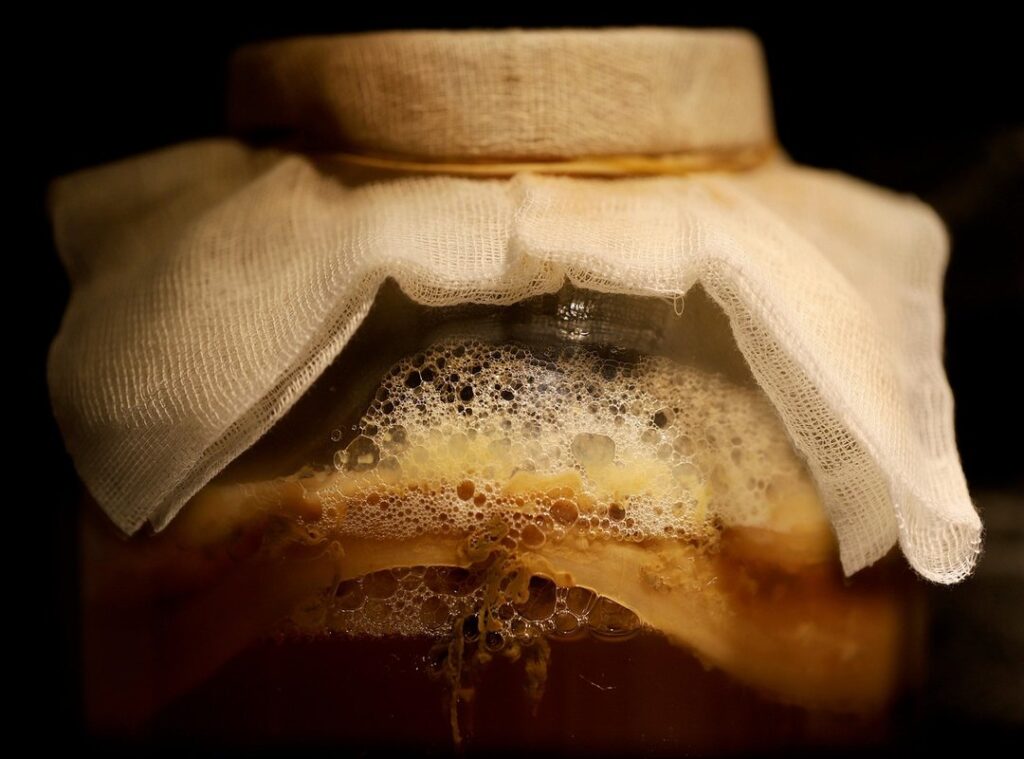
I mean, how else do you think kombucha gets that effervescent tang? (Pro tip: It’s the yeast.)
Now, some folks might worry about the safety of home fermentation. Fair enough. Nobody wants a kitchen explosion.
With a little care. And let’s be honest, a lot of patience (you) can master these fermentation techniques.
Start simple. Maybe a sourdough starter or a basic kombucha. The key is to pay attention.
You’ll get to know the unique flavor profiles and textures yeast brings. From the chewy crust of a sourdough loaf to the invigorating fizz of a homemade brew, yeast is the unsung hero of our taste buds. Ready to dive in?
Beyond Basics: Mold and More
Ever tried mold-based fermentation? It’s not as gross as it sounds. In fact, it’s magic.

Take Koji, for instance. This mold (Aspergillus oryzae) is the unsung hero behind miso, soy sauce, and sake. It breaks down starches and proteins, creating that umami everyone raves about.
Trust me, it’s a game-changer.
But let’s not stop there. Tempeh, made from soybeans and Rhizopus oligosporus, offers a nutty twist on protein. It’s like tofu’s more interesting cousin.
Then there’s acetic acid fermentation. After alcohol does its thing, vinegar steps in, transforming liquids into tangy condiments. Ever wonder why ketchup or balsamic makes everything better?
That’s why.
These fermentation techniques bring unique textures and flavors that make the culinary world much more exciting. They’re the bold flavors global spices of the fermentation universe (see what I did there?). If you’re adventurous, dive into these advanced methods.
Who knows what culinary genius you’ll unleash? Maybe you’ll even invent the next big trend. Just remember, in the world of fermentation, there’s always more to explore.
Master Your Fermentation: Tips for Success
Fermentation is an art, but it’s not as mystical as some might think. Start with fresh ingredients. Organic is best if you can swing it.
Trust me, the quality shows in the end product. You want flavors that pop, not ones that make you question your life choices.
Hygiene matters. No way around it. Keep your equipment clean.
Ever wondered why some batches turn out funky? Often, it’s a hygiene slip-up. And temperature?
That’s your best friend. Fermentation techniques rely on steady conditions. Too hot or cold, and your project might go south.
Let’s talk pitfalls. Mold versus kahm yeast (easy) to confuse, right? Mold is fuzzy and should be tossed.
Kahm yeast, though, is harmless and can be skimmed. Off-flavors? They’re usually a sign of imbalance, so experiment with spices and cultures to keep things exciting.
Don’t just follow recipes. Make it your own. The joy of fermentation is in the adventure and the delicious rewards.
Confident yet? You should be. After all, what’s life without a little culinary adventure?
Dive Into the World of Flavor
You wanted to understand fermentation techniques.
Now you have a solid grasp of them.
That initial intimidation? It’s gone. You can embrace fermentation as a fun, tasty skill.
These methods work because they create a harmony between ingredients and microbes. This dance boosts flavors but also preserves food and enhances nutrition.
So, what’s next? Pick one method that caught your interest. Start your first batch this week.
Imagine the joy of creating your own fermented foods. The possibilities are endless. The rewards are both delicious and healthful.
Feel the excitement of sharing your creations with friends.
You have what it takes to transform your kitchen into a fermentation hub.
Don’t hesitate. Dive in and start experimenting.
Your culinary adventure awaits.
This is your moment to shine. Get started today and let your taste buds celebrate!
 Founder & Culinary Director
Thadrian Eldwain is the visionary founder of Yumkugu, where he blends culinary artistry with global food intelligence into one evolving platform. With a deep passion for flavor innovation, he crafts concepts that merge tradition with modern experimentation while keeping dishes accessible and inspiring. He leads the brand’s direction across menu creation, ingredient sourcing, and culinary storytelling, ensuring every element reflects both quality and creativity. His approach focuses on turning everyday cooking into a refined yet approachable experience for a global audience. Known for elevating simple ingredients into standout dishes, Thadrian bridges insight, technique, and presentation seamlessly. Through Yumkugu, he continues to shape a space where food meets discovery, strategy, and inspiration.
Founder & Culinary Director
Thadrian Eldwain is the visionary founder of Yumkugu, where he blends culinary artistry with global food intelligence into one evolving platform. With a deep passion for flavor innovation, he crafts concepts that merge tradition with modern experimentation while keeping dishes accessible and inspiring. He leads the brand’s direction across menu creation, ingredient sourcing, and culinary storytelling, ensuring every element reflects both quality and creativity. His approach focuses on turning everyday cooking into a refined yet approachable experience for a global audience. Known for elevating simple ingredients into standout dishes, Thadrian bridges insight, technique, and presentation seamlessly. Through Yumkugu, he continues to shape a space where food meets discovery, strategy, and inspiration.